

Congratulations on your decision to embrace artificial grass-a water-saving, eco-friendly choice that not only conserves water but also bestows a lush, low-maintenance lawn that pays dividends over time. As you embark on this transformative journey, one crucial aspect to understand is the artificial grass sub-base, a hidden hero in the world of synthetic turf installation.
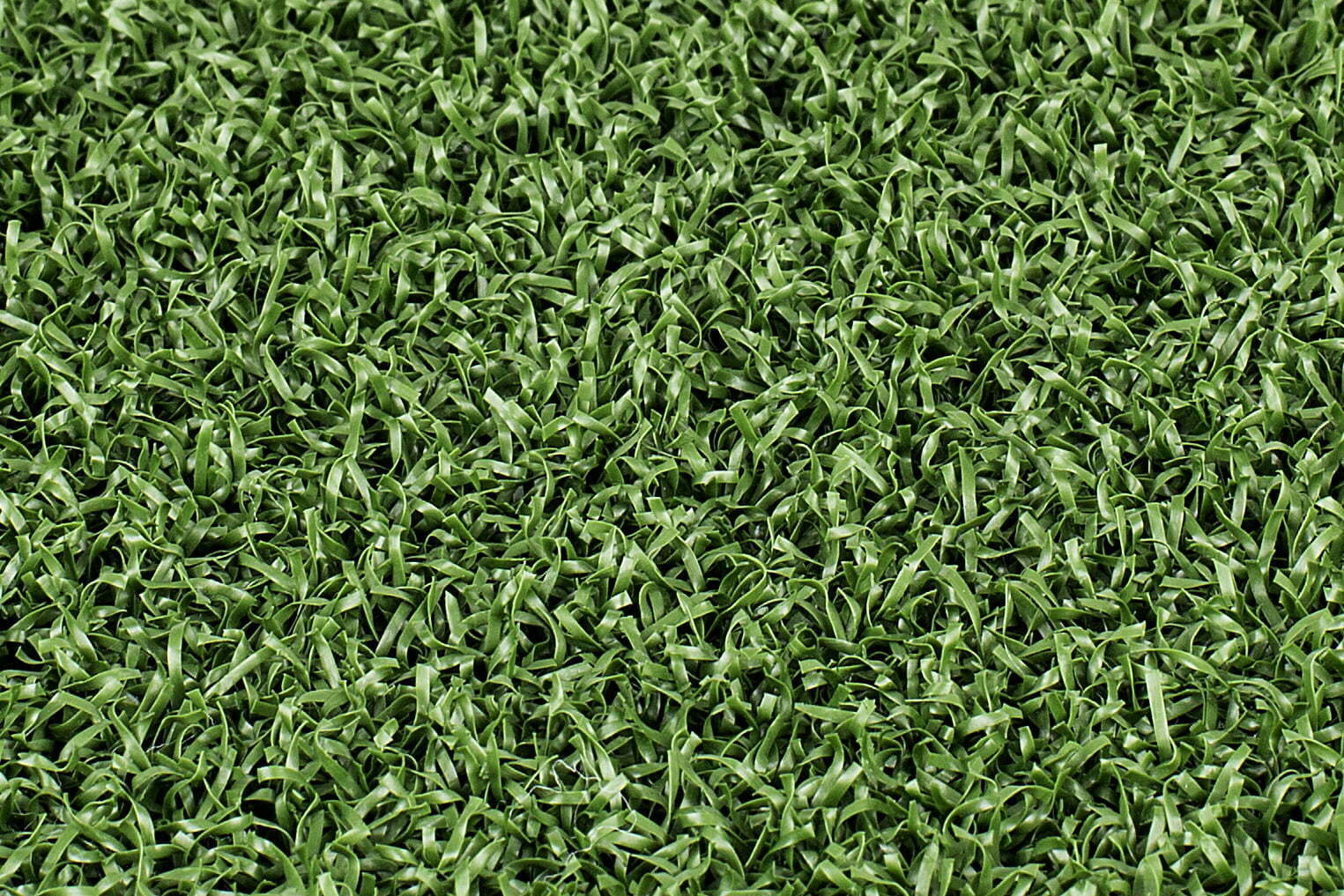
Excavation:
The journey begins with selecting the area for your new artificial grass and determining its dimensions. The initial step involves excavating the existing soil from this chosen space. This process is pivotal, as it sets the stage for the installation of the sub-base. You might be wondering, "What exactly is an artificial grass sub-base, and why is it necessary?"
The Purpose of the Sub-Base:
Why do we need a sub-base, you ask? The answer lies in the natural behavior of soil, which expands and contracts in response to climate conditions. While this is not an issue for natural grass, artificial grass reacts differently. The expansion and contraction of soil over time can lead to undesirable consequences for synthetic turf, such as buckling, wrinkling, and an uneven surface.
The solution to prevent such issues is to replace the native soil with a material that remains stable and unyielding. A well-constructed sub-base, typically composed of class II road base (also known as crushed miscellaneous base or CMB) or decomposed granite, provides a solid foundation for your artificial grass installation. This, in turn, safeguards your investment and ensures the longevity of your synthetic turf.
CMB vs. DG:
Class II road base (CMB) is a blend of recycled concrete and/or recycled asphalt, consisting of a sand-gravel mixture with particles of various sizes, up to ¾ of an inch. Decomposed granite (DG), on the other hand, is weathered granite rock that fractures into smaller pieces, including gravel, sand, and silt-size particles of clay. Both materials serve admirably as sub-base choices. CMB is easier to compact but has slightly lower drainage capacity, making it ideal for landscaping projects. DG, meanwhile, offers a smoother finish but comes at a higher cost, making it a prime choice for putting green installations.
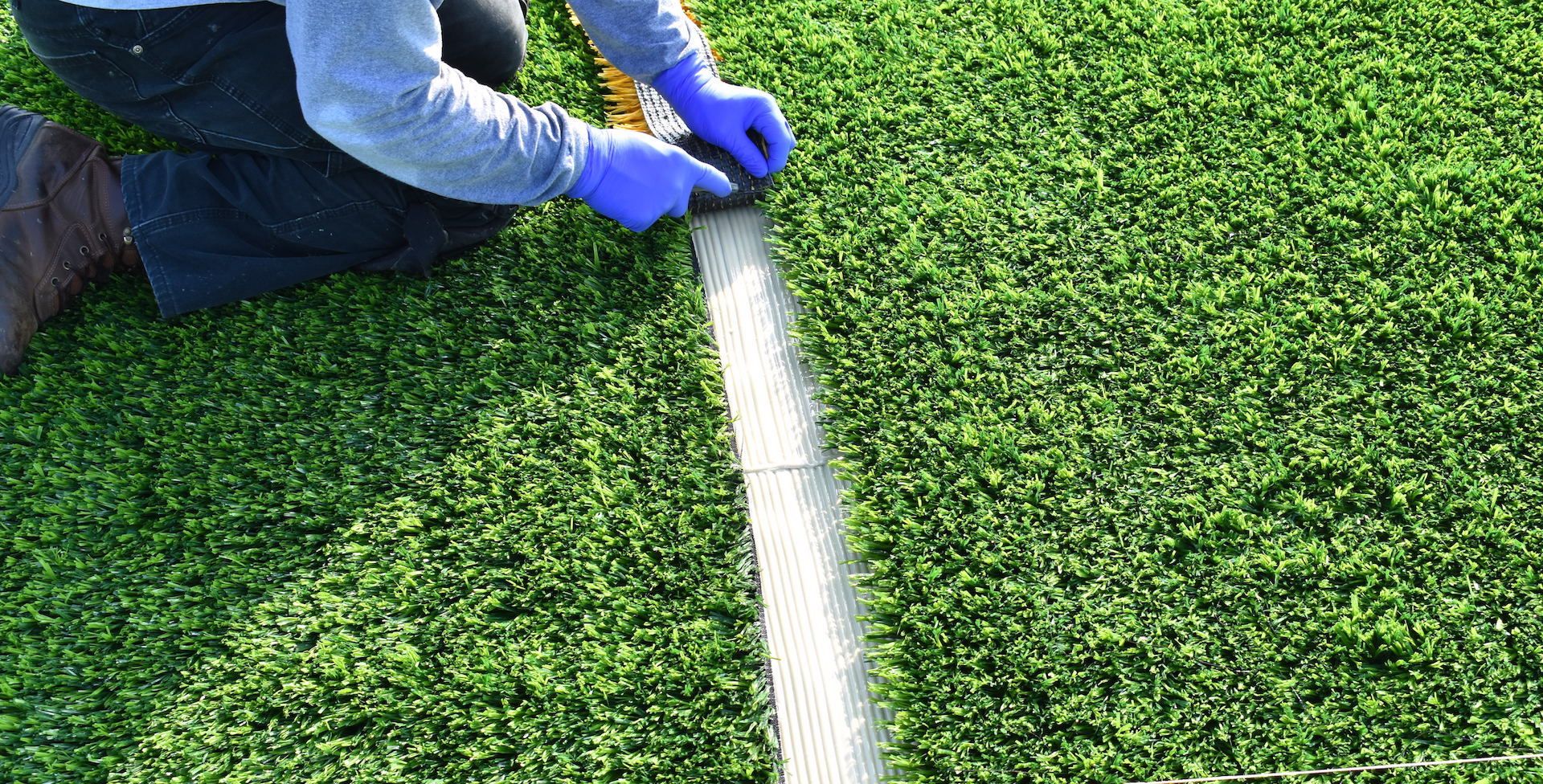
Compacting the Sub-Base:
With your sub-base material selected, it's time to spring into action. Spread the chosen sub-base material over your installation area, and for an optimal outcome, employ a vibratory-plate compactor. Additionally, you can use a roller and a hand tamper to ensure the hard-to-reach corners and tight spaces are adequately compacted. Keep in mind to moisten the sub-base during the compaction process to eliminate voids and air spaces.
While adding a sub-base may seem like an additional effort, it's a worthwhile investment in the long-term success of your artificial grass installation. Doing it right from the outset ensures a stable foundation for your synthetic turf, promising a beautiful and enduring landscape for years to come. For assistance in choosing the right sub-base material and determining the necessary quantity for your project, our experts are here to guide you every step of the way.