

One of the most common questions homeowners ask when considering artificial grass for their green home renovation is whether it's possible to lay artificial grass without a sub base. In this article, we will explore the advantages of having a sub base for your artificial grass installation.
Can You Lay Artificial Grass Without a Sub Base?
Artificial grass offers numerous benefits and is an excellent choice for home renovations. You can install it over existing natural grass or directly on a plain surface. However, before making your choice, it's crucial to understand what a sub base is and why it plays a vital role in artificial grass installations.
Understanding the Sub Base
The sub base is a critical component when laying artificial grass. It serves several essential purposes, including protecting the lawn from the ground, preventing water from seeping through, inhibiting weed growth, and ensuring a level surface.
Sub bases come in various forms and sizes, depending on the surface you intend to cover with your synthetic lawn. While there are several materials suitable for sub bases, this article will focus on the use of sand or gravel as base materials due to their affordability and accessibility.
Benefits of Installing a Sub Base for Artificial Grass
The advantages of including a sub base in your artificial grass installation are significant and include:
1. Durability and Longevity: A sub base provides essential support for your artificial grass, helping it withstand wear and tear over time.
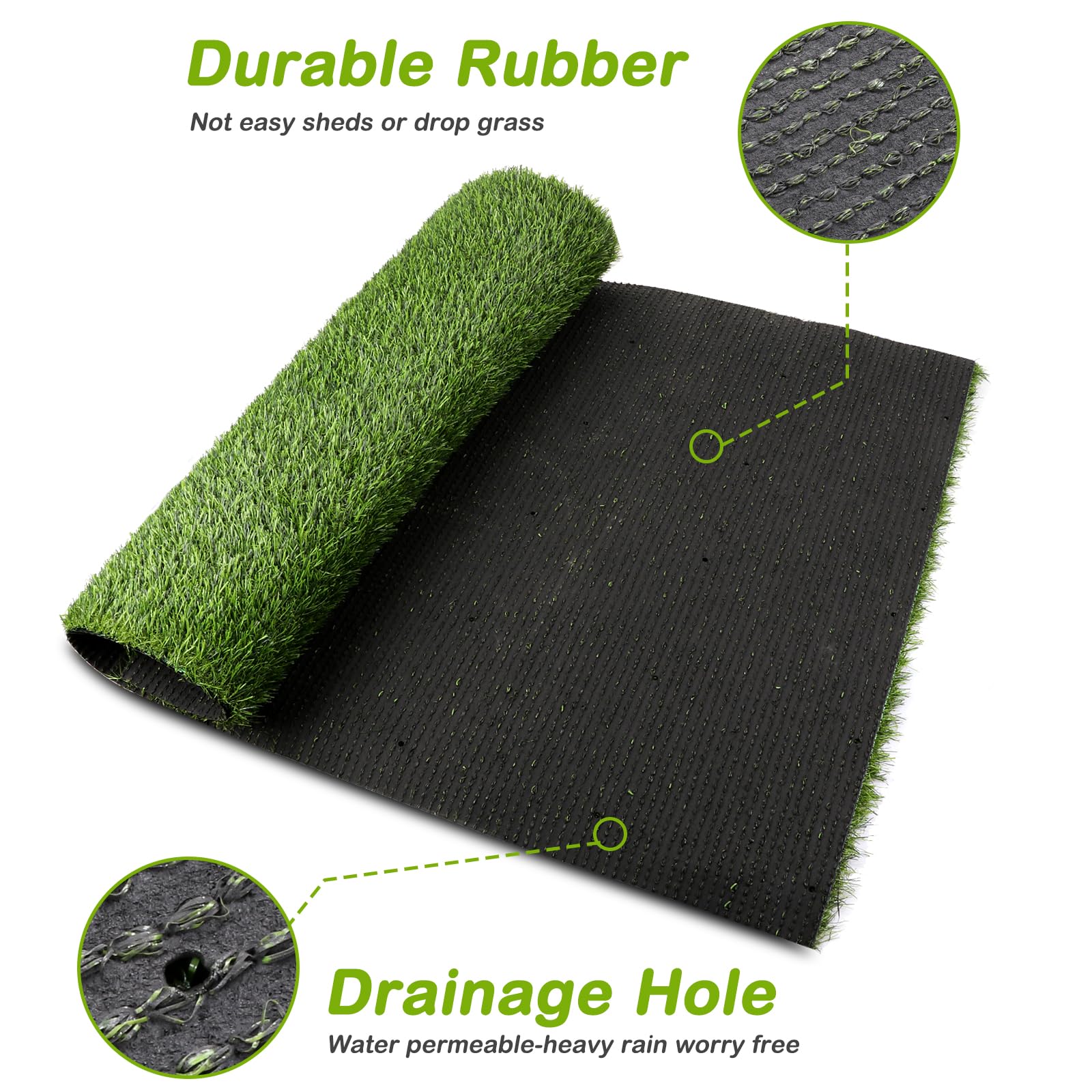
2. Effective Drainage: Proper drainage is crucial for maintaining the integrity of your synthetic lawn. Sub bases often feature drainage holes that redirect excess moisture away from the lawn, preventing waterlogging.
3. Weed Prevention: A well-installed sub base acts as a barrier against weeds, reducing the chances of unwanted growth in your artificial grass.
4. Level Surface: Sub bases ensure that your synthetic lawn maintains a flat and even surface, enhancing both its appearance and usability.
Without a sub base, your artificial grass may begin to sink over time. Inadequate drainage can exacerbate this issue, potentially leading to more significant problems down the line.
Furthermore, if you opt for a cost-effective alternative to a proper sub base, it may lack the necessary drainage properties required for a successful artificial grass installation.
Final Thoughts
In conclusion, while it is technically possible to lay artificial grass without a sub base, it may lead to long-term issues and complications. When installing your new lawn, it's essential to consider all available options and choose the one that best suits your needs. Investing in a quality sub base ensures the longevity, performance, and aesthetics of your artificial grass, making it a wise choice for any homeowner.