
In essence, the answer is a resounding "yes." Artificial grass and artificial turf generally refer to the same concept-a synthetic substitute for natural grass, meticulously engineered from man-made materials to replicate the appearance and feel of a well-manicured, lush lawn.
The Craft of Going Artificial – Crafting Synthetic Solutions for Vibrant Lawns and Pristine Fields
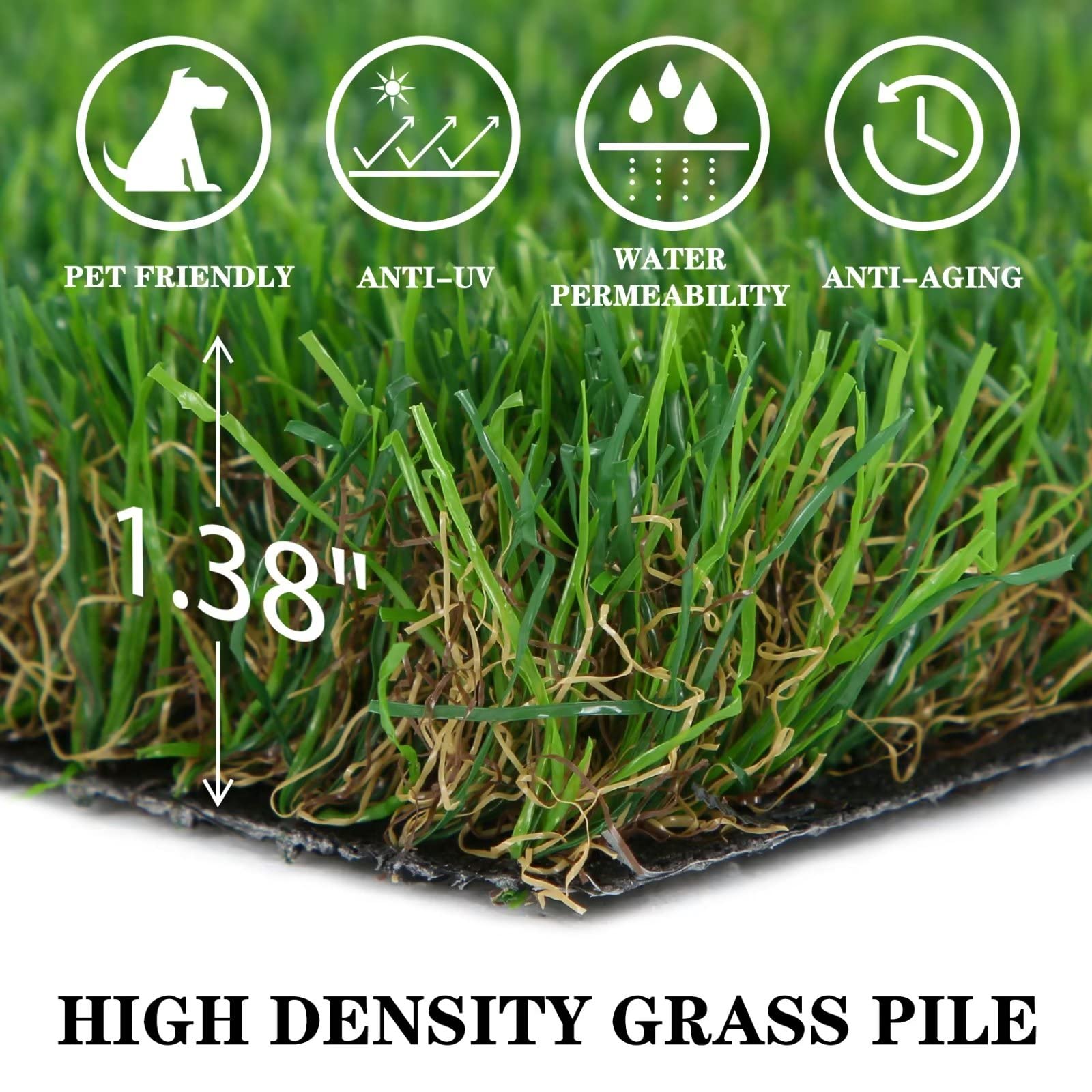
Modern artificial grass and turf have come a long way from the spiky "astro turf" of yesteryears or the brittle "cheap fake grass" found in some retail stores. These contemporary wonders are meticulously crafted from durable synthetic fibers like polyethylene, polypropylene, or nylon.
The manufacturing process involves a technique called "tufting," where these synthetic fibers are intricately threaded into a backing material, resulting in a carpet-like product that remarkably resembles its natural counterpart underfoot.
To enhance the experience further, this synthetic grass is filled with a substance known as "infill," often composed of crumb rubber and/or silica sand. Infill serves a dual purpose: it provides a cushioning effect and ensures that the artificial grass blades stand erect, mirroring the support natural grass receives from soil.
The terms "artificial grass" and "artificial turf" are largely interchangeable; however, there can be nuanced differences based on the intended application:
Artificial turf is often used when referring to surfaces in sports fields, such as football or soccer pitches, where durability and the ability to withstand heavy use are paramount.
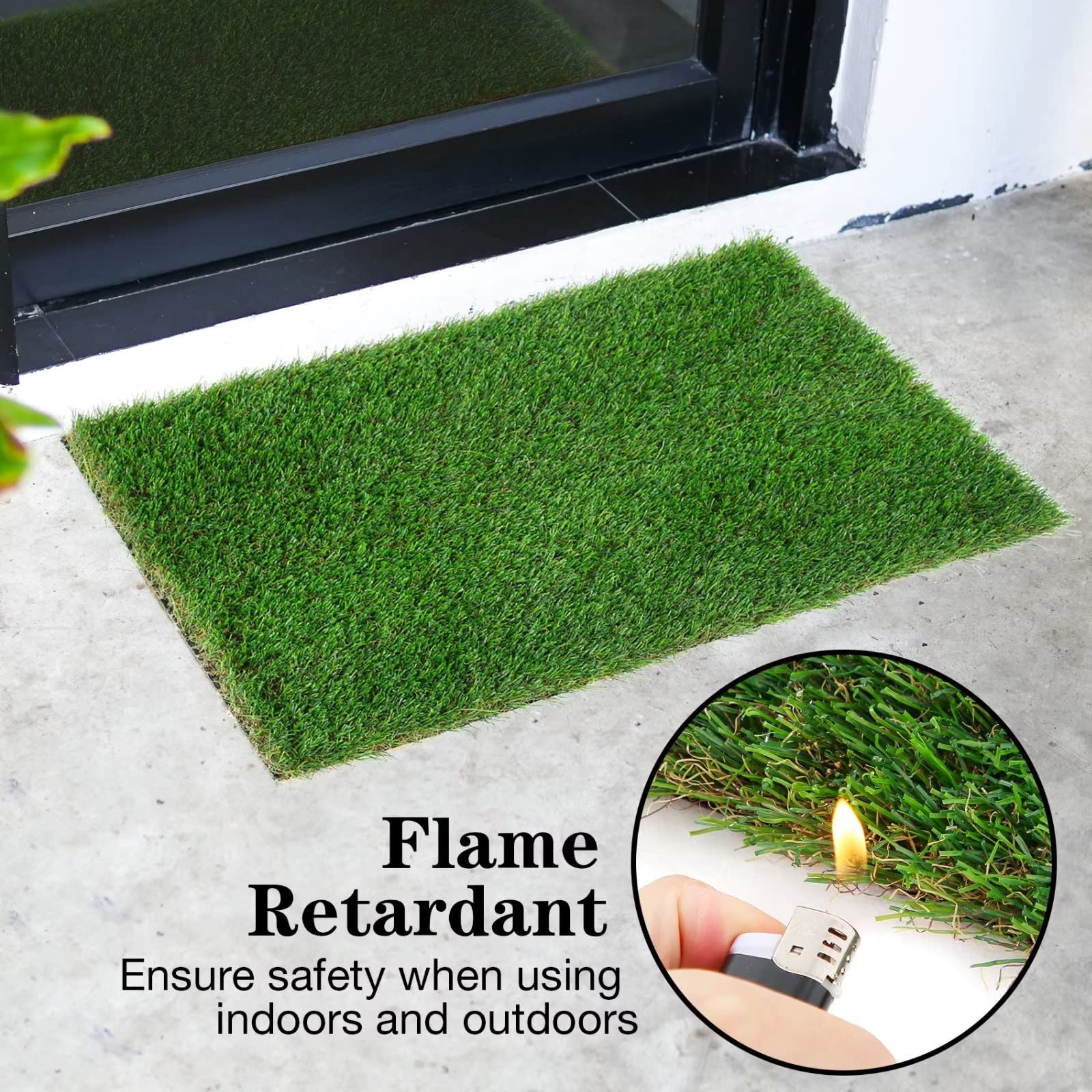
Artificial grass, on the other hand, is commonly associated with residential or commercial landscaping applications, evoking images of a pristine, evergreen, virtually maintenance-free lawn that can endure the wear and tear of everyday life.
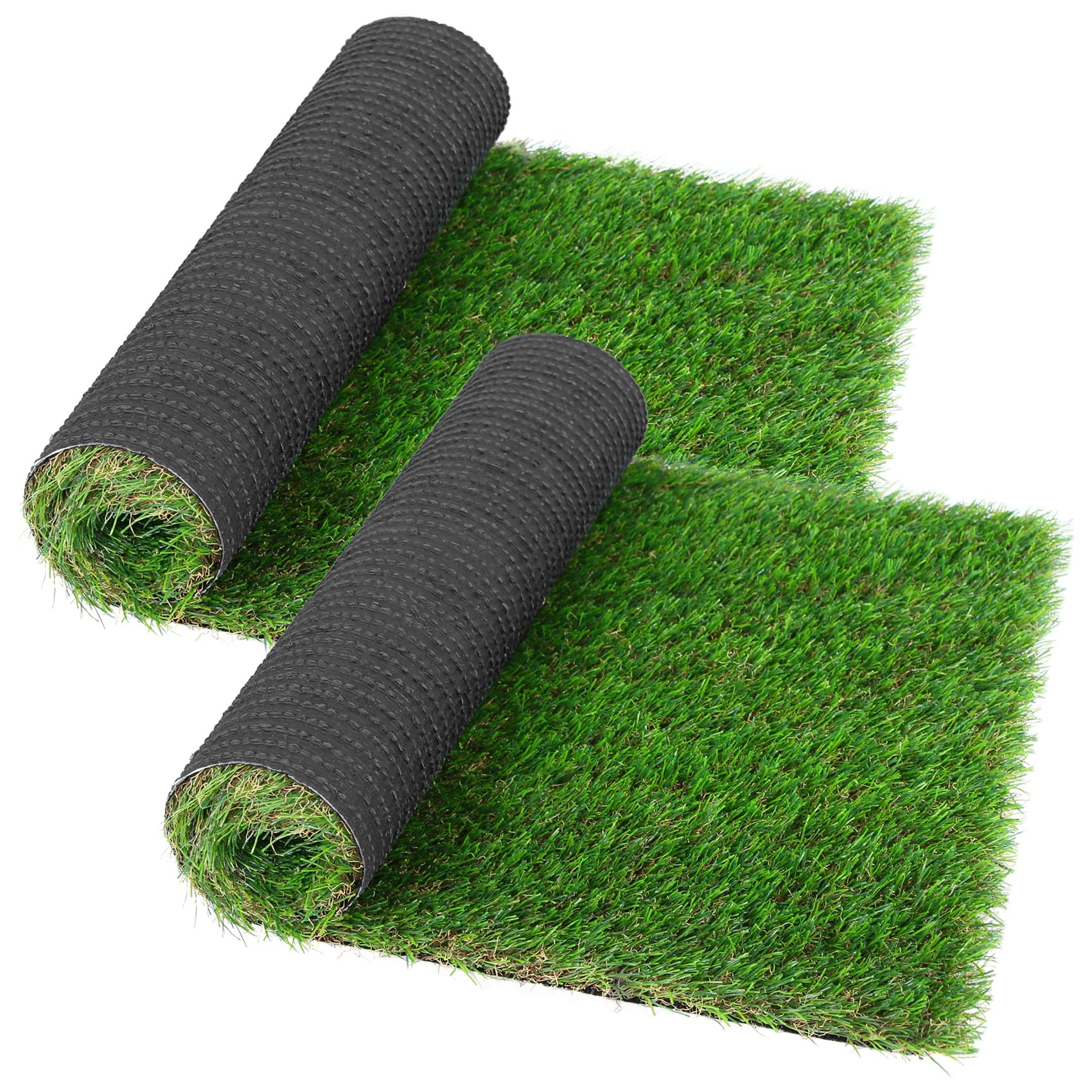
While the distinction between artificial grass and artificial turf may seem minimal, the quality, appearance, and texture can vary significantly among different products. High-end variants closely mimic specific grass types, while more budget-friendly options may be designed for low-traffic areas.
The manufacturing process, the choice of synthetic fibers, the density of tufting, and the nature of the infill all contribute to the characteristics of the synthetic lawn. Premium turf products may incorporate a blend of green shades and even brown fibers to emulate the look of natural grass more authentically. In contrast, stadium-grade turf prioritizes uniformity, resilience, and durability over perfect natural aesthetics.
Regardless of the terminology, the surge in popularity of artificial grass and turf brings a host of advantages:
Cost-Effective: The reduction in ongoing maintenance costs can make it a cost-effective long-term solution.
Water Conservation: It's a boon for water conservation efforts, particularly in arid regions.
Allergy Reduction: It can help reduce allergy issues.
Cleanliness: It reduces mud and mess.
Low Maintenance: It remains green year-round, saving time, money, and effort in upkeep.
For any inquiries or project assistance, GP Sports, the experts in artificial turf and grass, are at your service. Feel free to reach out to us for professional guidance and answers to your questions as you embark on your synthetic green space journey.