
You may have heard that synthetic grass cannot be recycled, and the only option is disposal. However, this is not accurate. While there was a time when fake grass was not recycled, it wasn't due to impossibility but rather the misconception that landfill disposal was the sole option.
Years of dedicated efforts to improve sustainability have led to responsible disposal methods for artificial turf. Today, recycling synthetic lawn materials is a common practice, but it's not as straightforward as recycling typical products like plastic bottles or aluminum cans.
Challenges in Recycling Artificial Grass
Most artificial grass consists of plastic materials like polypropylene, polyethylene, latex, and polyurethane, all of which are recyclable. However, artificial grass also contains infill materials such as sand, which are challenging to separate from the recyclable components. The difficulty lies in efficiently segregating all the materials used in synthetic turf to enable proper recycling. This challenge has contributed to the belief that artificial grass could not be recycled for a long time.
Modern Recycling Methods
Fortunately, a growing commitment to sustainability has led to advancements in technology, simplifying the recycling process for artificial turf. Several companies are dedicated to recycling synthetic materials efficiently.
These companies have developed systems that facilitate the recycling of artificial turf components. The process involves separating, processing, and recycling landscaping materials efficiently. Recycled materials are converted into raw materials, which can be used to create new products. For instance, recycled plastics from artificial turf may be repurposed into extruded plastic materials, and some are even transformed into carpeting.
Choosing the Right Recycler
While recycling artificial turf is an environmentally responsible choice, it's essential to select the right company for recycling your materials. Some companies claim to recycle artificial turf but simply resell old fake grass at a discounted price. While this gives the grass a second life, it doesn't truly qualify as recycling. It's crucial to consider the fate of reclaimed material once its new user decides to remove and dispose of it.
Limited Availability
Although recycling options for artificial turf exist, the availability of equipment for proper extraction and recycling of materials used in synthetic grass is limited. Despite the technical feasibility of recycling, the practice is not as widespread as it could be.
A Promising Future
The future of recycling artificial turf looks promising. With advancing technology in manufacturing and recycling, there's hope that the availability of equipment for recycling synthetic turf materials, including plastics, infill, and underlying materials, will increase significantly.
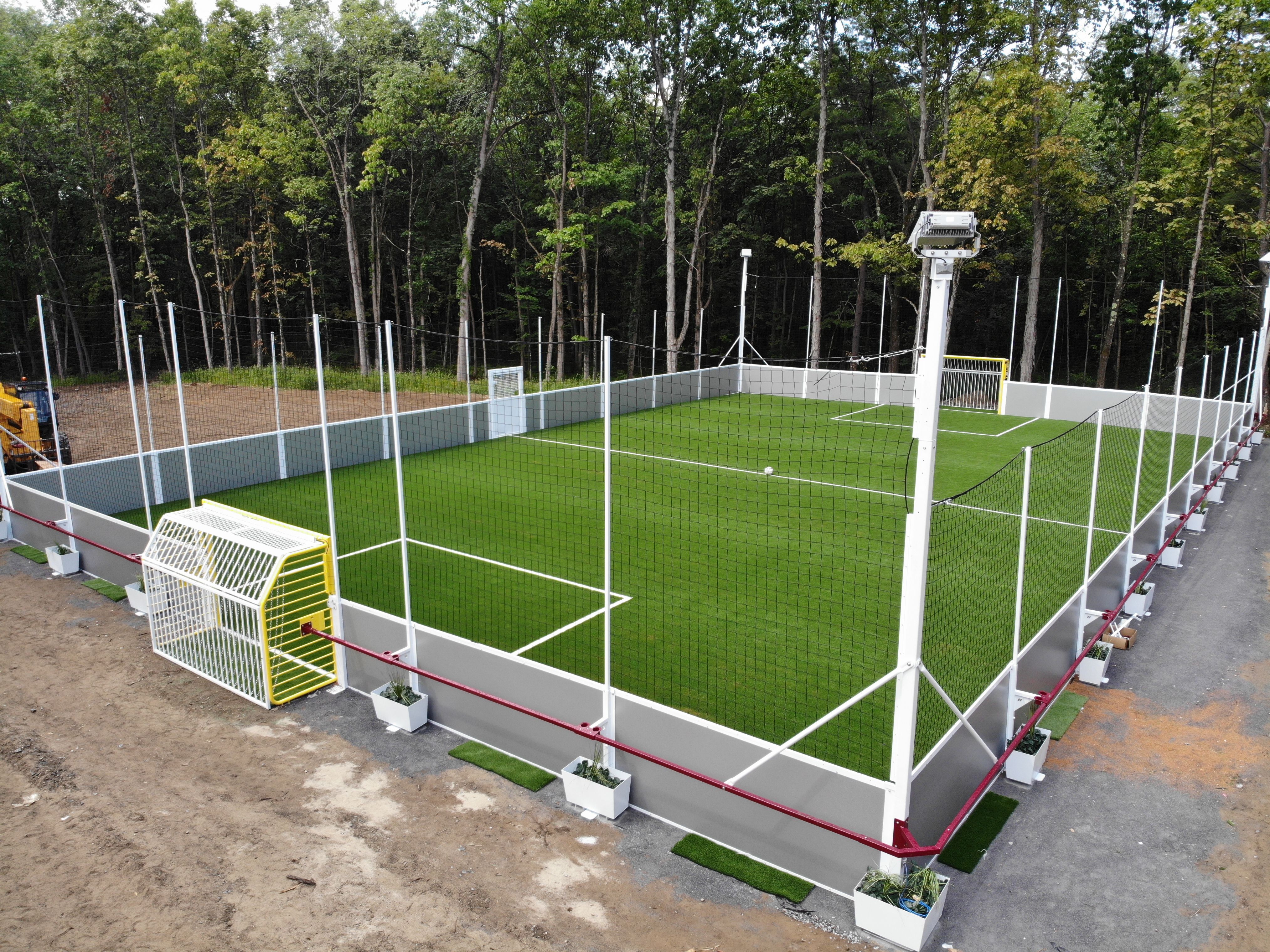
In cases where proper recycling is not feasible, repurposing artificial turf is an alternative to landfill disposal. Synthetic turf can find new life in various applications, including:
Covering for dog runs and dog parks
Ground cover for driving ranges
Floor covering in batting cages
Erosion control
Play area ground covers
Ground coverings for animal shelters
If you're considering replacing your synthetic grass, instead of discarding it in a landfill, explore recycling options. If recycling isn't possible, repurposing the material can be an environmentally conscious choice, though it should not be confused with recycling.