
Playground turf not only eliminates the mess associated with gravel or wood chips but also provides a softer surface than concrete for safe landings after playful adventures. Whether you're transforming your backyard or a local park, this guide will help you select the best brand, type, and features of artificial grass to install beneath your jungle gym or playground.
In recent years, playground turf has gained significant popularity due to its hassle-free maintenance and durability. Modern turf products closely resemble real grass, creating a bright, inviting, and eco-friendly alternative. Unlike natural grass, artificial grass doesn't require water, fertilizer, or harmful pesticides, making it safe for children and pets. It also offers a soft cushioning effect, enhancing playtime safety. In this guide, we'll provide an in-depth overview of artificial grass for playgrounds, helping you make an informed choice for your play area.
Understanding Playground Turf: Differentiating the Key Features
At first glance, all turf products may seem similar – green, fluffy, and grass-like. However, factors such as durability, features, drainage capabilities, and more set different varieties apart. Not all types of artificial grass are suitable for playgrounds or play areas, so choosing the right one is crucial. Conducting thorough research, both online and by consulting experts, will enable you to identify the perfect artificial grass that caters to your specific requirements. Here are
some key terms and factors to consider:
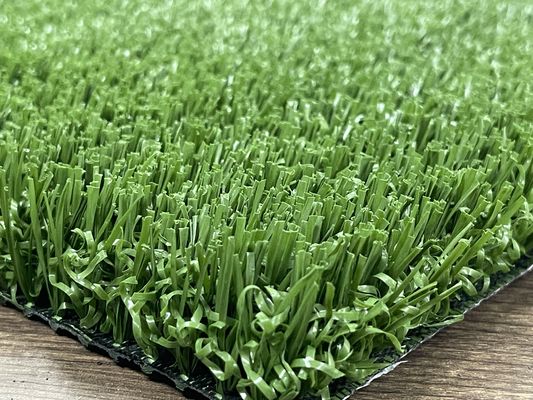
Yarn Material: The yarn used to create the blades of grass can vary in color, thickness, and shape. Artificial grass primarily utilizes three materials: polyethylene, polypropylene, and nylon. For playground use, products made with polyethylene yarn are ideal due to their softness and strength.
Thatch Layer: This layer consists of curly, soft threads that mimic the cushiony feel of natural grass. A thick thatch layer is indicative of a high-quality turf product.
Density: The density of artificial grass refers to how closely the fibers are woven together. A denser product, with more fibers per square yard, is more durable and capable of withstanding heavy foot traffic.
Face Weight: This metric measures the weight of the yarn and thatch and does not include the backing. High-quality turf products often have a face weight of 70 ounces per square yard or higher, indicating durability.
Pile Height: Pile height refers to the length of the artificial grass blades. For high-traffic areas like playgrounds, opt for a shorter pile height (1.25 inches or less) to prevent matting.
Back Weight: The backing of artificial turf includes primary and secondary components. Well-made products designed for playgrounds should have a back weight of over 25 ounces per yard.
Backing Permeability: Adequate drainage is essential for playground turf to prevent standing water. Choose turf with hole-punched backing for sufficient drainage.
Color Variety: High-quality turf products offer various colors to mimic specific grass species, providing a realistic look.
Infill: Infill is crucial for keeping fibers upright, stabilizing the turf, and enhancing its realism. It also offers cushioning and protection against sun damage. Look for turf with infill options such as sand and rubber.
Antimicrobial Features: Some turf products contain antimicrobial additives that prevent the growth of bacteria, germs, and odors. This feature is especially beneficial for playgrounds.
UV Resistance: High-quality artificial grass includes built-in UV protection to prevent fading and maintain durability under sun exposure.
Cooling Properties: Select infill with cooling properties to reduce the surface temperature of the turf, enhancing safety and comfort for children playing.
When choosing artificial grass for playgrounds, consider factors like pile height, face weight, and backing permeability, as these contribute to durability and safety. A reliable installation team is essential for ensuring that your artificial grass is correctly laid down. Remember that while artificial grass has higher upfront costs, it offers long-term benefits such as reduced maintenance expenses and water savings.
Cost Estimates
The cost of installing artificial grass under your playground can vary depending on factors such as the area's size and layout, the presence of existing play structures, and other considerations. To get a rough estimate, measure the space and use an online calculator. However, it's advisable to consult a professional for an accurate quote, especially if you plan to install turf beneath existing play structures, which can be more complex due to the need for seamless integration.
Choosing the Right Turf for Your Playground
While playground turf offers numerous benefits, not every playground is suitable for artificial grass. Consider factors such as fall zone requirements, critical fall heights, and drainage needs when evaluating the suitability of artificial grass for your play area.
In summary, artificial grass is an excellent ground cover for playgrounds and play areas, offering durability, safety, and low maintenance. By understanding the key features and making informed choices, you can create a safe and enjoyable play environment for children. Here's a breakdown of some key factors to consider:
Fall Zone Requirements: If your playground includes equipment, the turf and cushion material should be fall height (zone) rated to ensure safety. The fall zone is the area surrounding equipment where playground surfacing must be installed to prevent injuries. It extends beyond the equipment for a minimum of six feet, as recommended by safety standards.
Critical Fall Height: The critical fall height of a playground surface is the height below which a life-threatening head injury is unlikely to occur. Turf products should be tested to determine their impact attenuation or shock-absorbing properties, considering head injuries. Consult with experts to ensure that your artificial grass and foam padding meet playground fall height requirements.
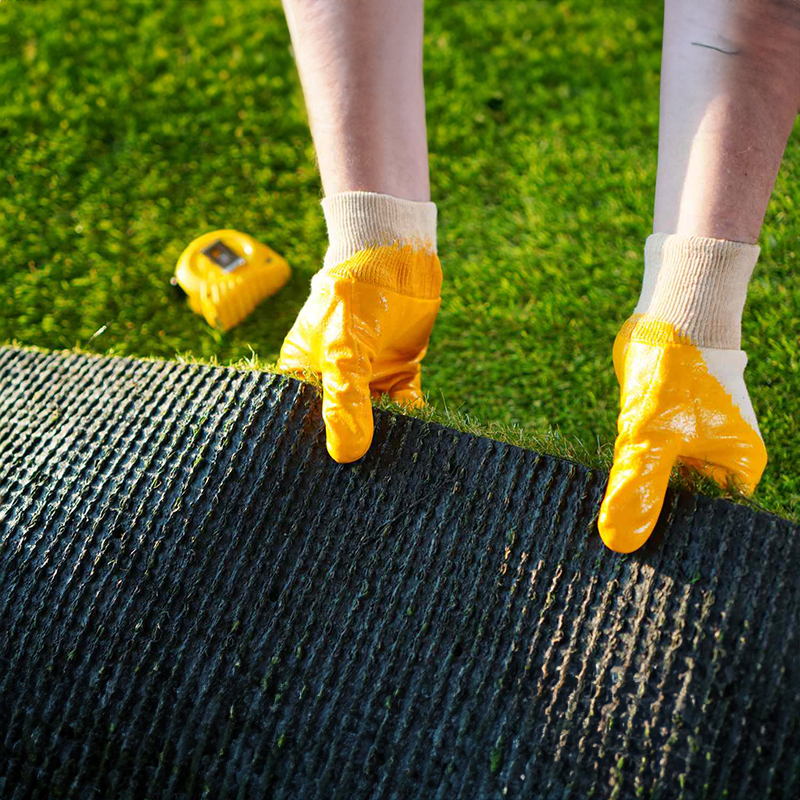
Installation Team: The experience and competence of the installation team are vital. Even the best artificial grass product can look and wear poorly if not installed correctly. Check online reviews and seek referrals to find a reliable turf installer who can answer your questions and provide quality service.
Long-Term Benefits: Artificial grass offers long-term advantages, including lower maintenance costs and water savings. While it may have higher initial costs compared to natural grass, the return on investment becomes evident in 3-5 years. In the meantime, you'll enjoy a lush, realistic-looking playground surface without the hassles of mowing or watering. Inquire about financing options if the upfront cost is a concern.
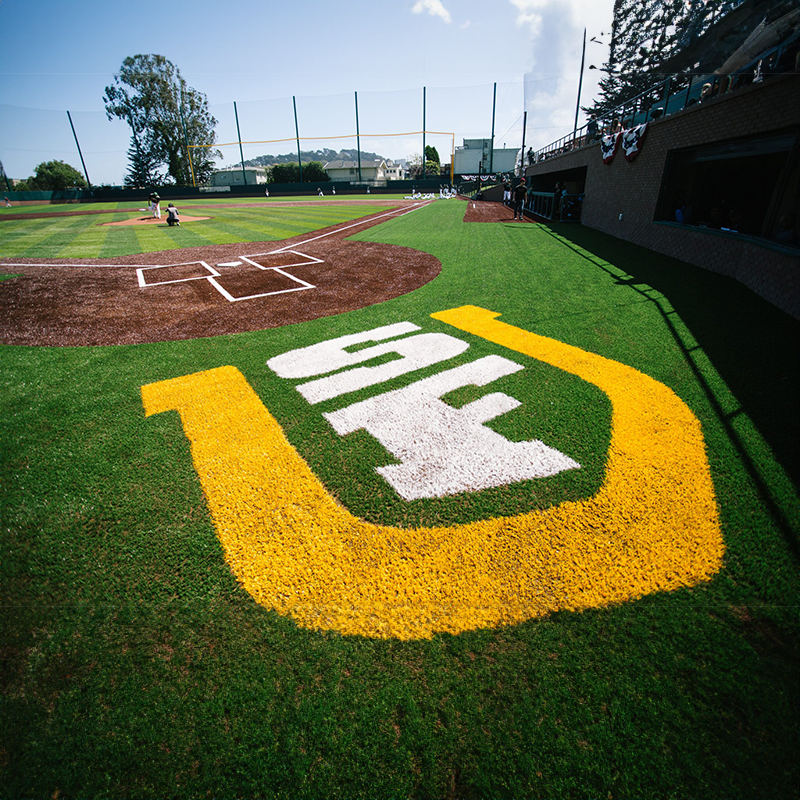
Artificial grass provides an ideal ground cover for playgrounds and play areas, offering safety, durability, and ease of maintenance. By considering the key features and making informed decisions, you can create a secure and enjoyable environment for children to play. Whether it's transforming your backyard or enhancing a public park, artificial grass offers a smart and sustainable solution.