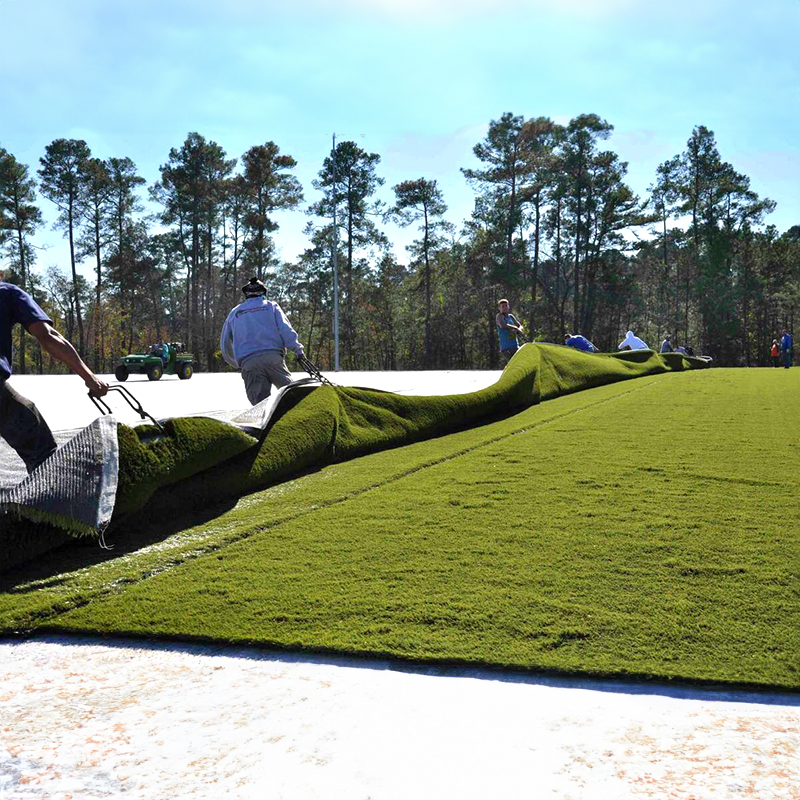
Artificial grass is anything but generic. There are different types of turf tailored for specific uses and applications. This comprehensive guide will delve into the various aspects of artificial grass and illuminate the key factors to consider when making your selection.
Step 1: Assess Your Space
Begin by thoroughly evaluating the area where the artificial turf will be installed. Consider the following questions:
- Will the area experience heavy foot traffic?
- Is it prone to puddles or standing water?
- Is it exposed to direct sunlight or primarily shaded?
- Will it be frequented by pets?
Answers to these questions will help you pinpoint the specific features and characteristics you require in your artificial grass.
Step 2: Research Brands and Products
Take the time to research the various brands and products available in the market. Turf distributors and installers should readily provide you with comprehensive information about their synthetic grass products.
Step 3: Understand Yarn Types
Artificial grass primarily utilizes three types of yarn materials: polyethylene, polypropylene, and nylon. Polyethylene, being versatile and striking a balance between durability, aesthetics, and softness, is the most commonly used yarn material. Polypropylene is often employed for putting greens and as a thatch layer for landscape grasses. Meanwhile, nylon, the most durable but less soft yarn material, finds its common application in putting greens. Yarn comes in various colors, thicknesses, and shapes to replicate specific grass species.
Step 4: Consider Density (Stitch Count)
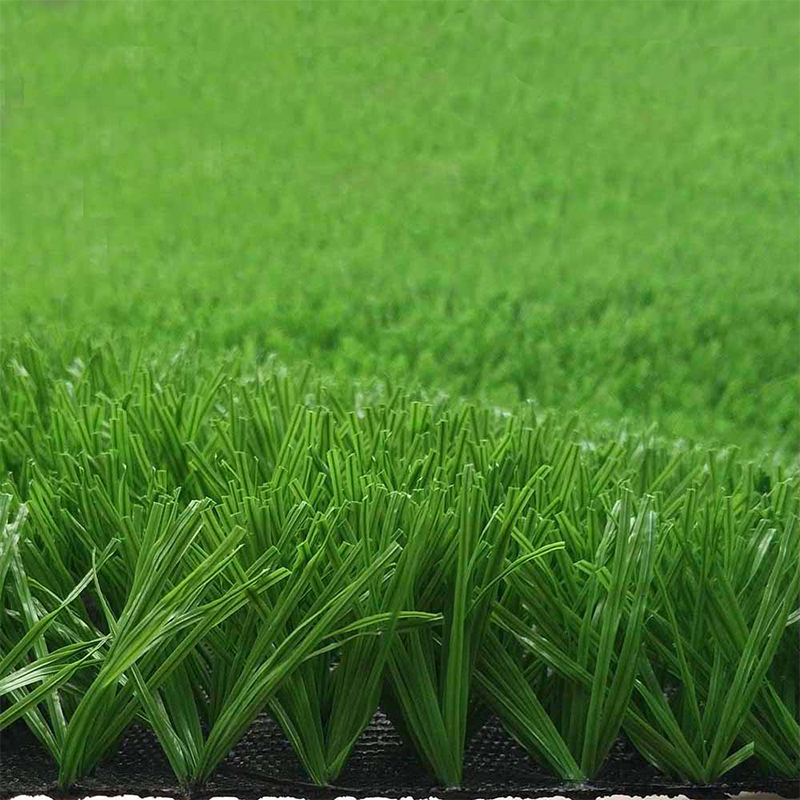
Density, also known as stitch count, refers to the number of blades per square inch. Much like thread count in sheets, a higher stitch count signifies a superior-quality turf. Denser turf products tend to be more durable and provide a more realistic appearance.
Step 5: Evaluate Pile Height
Pile height relates to the length of the artificial grass blades. For high-traffic areas like sports fields or dog runs, opt for a shorter pile height, typically ranging between ⅜ and ⅝ inches. Achieving a luxurious and true-to-life appearance for your front yard is best accomplished with products boasting a longer pile height, typically between 1 ¼ and 2 ½ inches.
Step 6: Understand Face Weight
Face weight measures the number of ounces of material per square yard in a particular type of turf. Generally, the heavier the face weight, the higher the quality and durability of the artificial grass. Notably, face weight does not include the weight of the backing material.
Step 7: Explore Thatch
Thatch refers to additional fibers with varying colors, weights, and textures that replicate the natural inconsistencies of real grass. It often includes brown fibers that mimic the dying underlayer of grass beneath the vibrant green, growing top layer. If you seek a synthetic grass product that closely resembles real grass for your front or back lawn, choosing a product with thatch is your best bet.
Step 8: Learn About Infill
Infill serves multiple purposes in maintaining your artificial grass's pristine appearance. It keeps the fibers upright, stabilizes the turf to prevent shifting, and enhances the grass's overall look and feel, making it more realistic. Without infill, turf fibers would quickly become flat and matted. Infill also provides cushioning for feet and paws that tread upon it while safeguarding the backing from sun damage. Infill materials vary, including options like silica sand and crumb rubber. Some brands offer infill with added features such as antimicrobial properties, anti-odor capabilities, or cooling attributes.