

Choosing the Right Sub-base
A well-chosen sub-base is critical for artificial grass longevity. It should mimic native soil properties and provide efficient drainage, as artificial grass doesn't drain on its own. Proper drainage is essential to prevent issues like mold, mildew, and accidents caused by water accumulation.
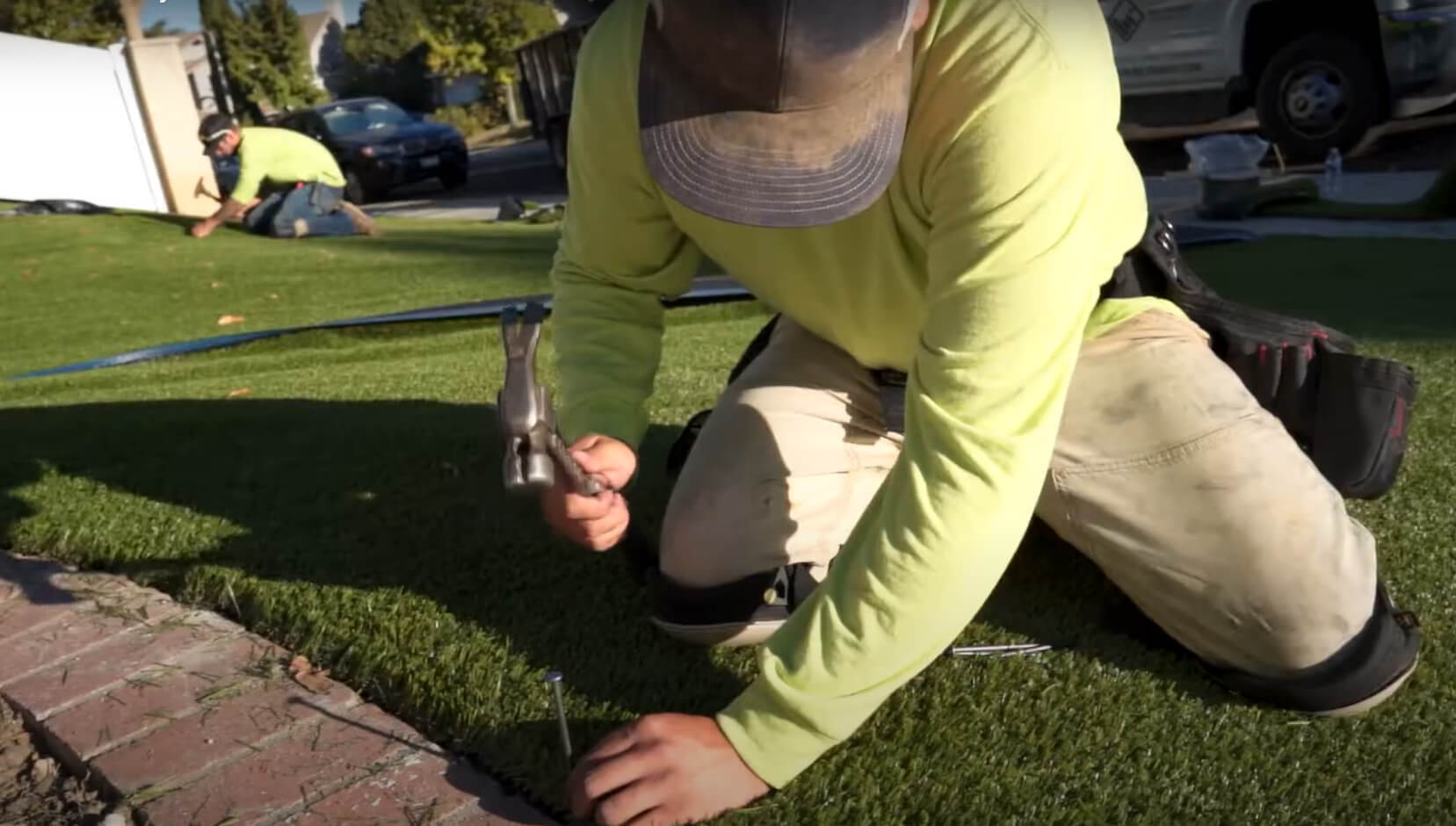
1. Drainage is Essential: Ensure your sub-base allows for efficient water drainage. Artificial grass backing is designed with drainage holes to let water pass through, but it must lead to a drain or waterway to prevent pooling.
2. Prepare the Area: Ground preparation is essential before installing the sub-base. Follow these steps:
Check for Underground Hazards: Identify and mark the location of water pipes and electric lines beneath the surface. Cover or remove sprinklers as needed to avoid uneven surfaces.
Eliminate Weeds: Kill weeds and grassroots by using a non-toxic weed killer at least two weeks before installation. Thoroughly treat the area to prevent any regrowth.
Remove the Top Layer of Soil: Dig out the top layer of soil by three to four inches to make space for the new base. Compact the loose soil by walking over it or using a hand tamp.
Plan Drainage: If your soil drains well, you may not need additional drainage. For poorly draining soil, install an efficient drainage system. For areas with light rainfall, drainage gaps every six inches around the perimeter should suffice.
Install a Bender Board: Use a bender board to define the perimeter and create a clean separation between your artificial turf area and other lawn components. It serves as a guide to prevent the turf from encroaching on other spaces.
Optional: Install Gopher Wire: Roll out gopher wire across the installation area and secure it with u-shaped staples every few feet. Trim it to size using wire cutters.
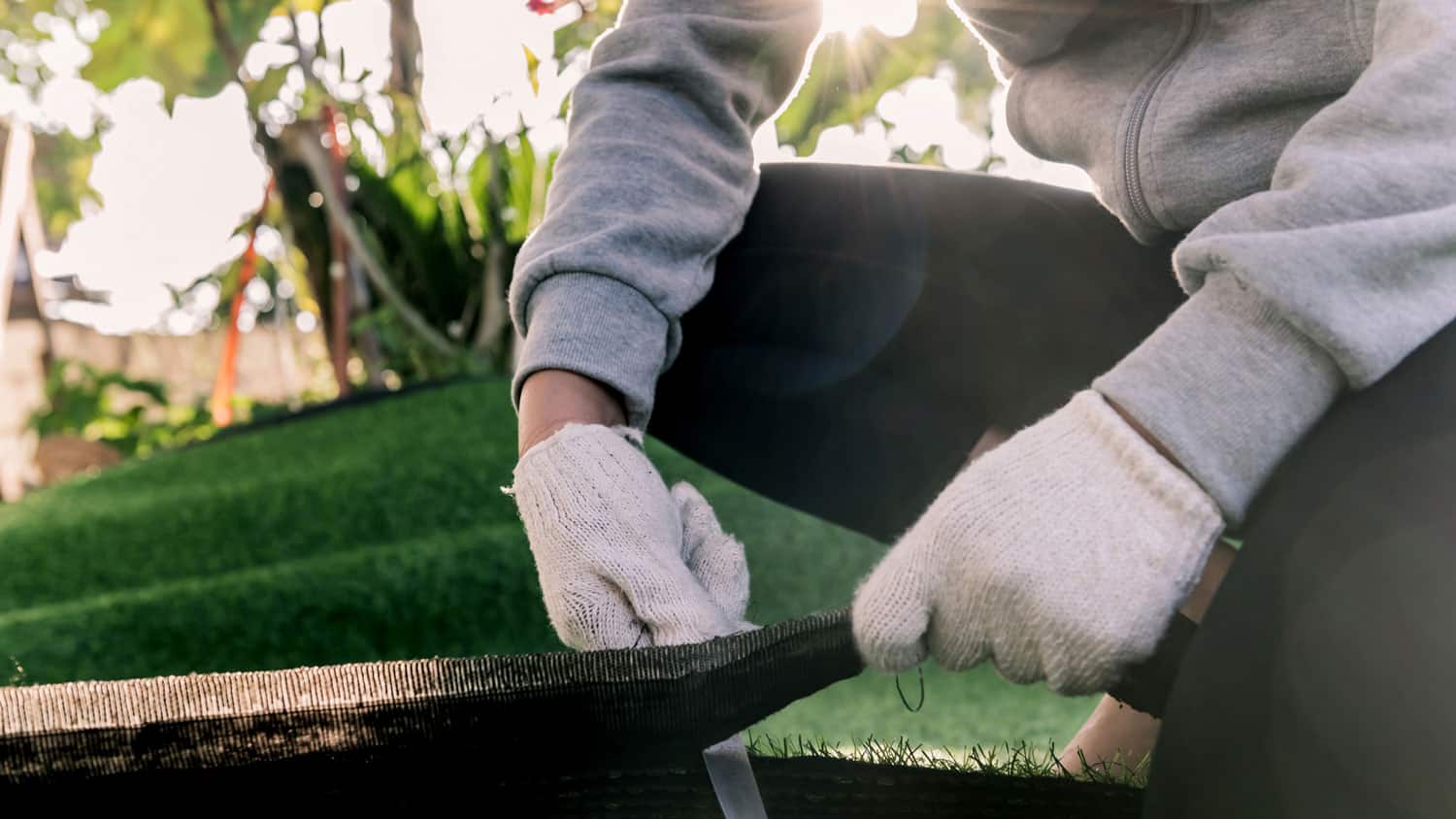
Now that you've prepared the area, it's time to install the base for artificial grass on soil or dirt surfaces. Follow these steps:
1. Lay Gravel: Begin by laying a gravel sub-base to promote proper drainage. The depth of the gravel layer should be determined by your specific drainage needs.
2. Compact the Gravel: Use a compactor to ensure the gravel layer is evenly compressed and provides a stable base for your artificial grass.
3. Add a Weed Barrier: Install a weed barrier fabric over the compacted gravel to prevent weed growth and maintain a clean surface.
4. Spread and Level the Sand: Spread a layer of sharp sand (also known as silica sand) evenly over the weed barrier. This layer helps provide a smooth surface for the artificial turf and aids in drainage.
5. Compact and Level: Use a compactor to compress the sand layer, ensuring it's level and ready for turf installation.
With a properly prepared sub-base, your artificial grass installation will be more successful, ensuring excellent drainage, longevity, and a beautiful, hassle-free lawn.