

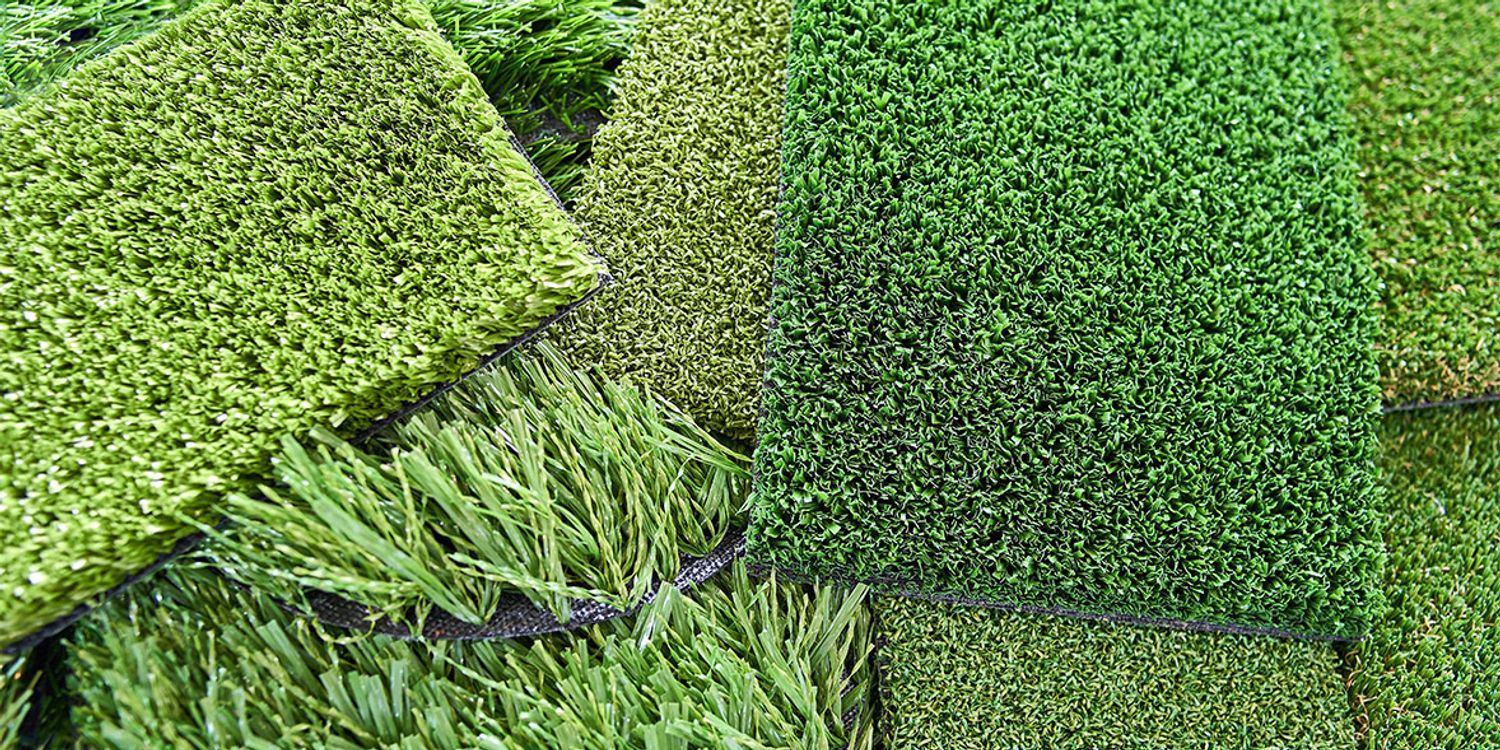
Ticks and fleas are common parasites that can pose serious threats to your dogs. Let's delve into the risks associated with each:
Ticks
Ticks are tiny arachnids that attach to dogs, feeding on their blood. They can latch onto any part of your dog's body, typically around the head, ears, legs, belly, and paws. Besides causing irritation, ticks can transmit diseases, including Lyme Disease, Rocky Mountain Spotted Fever, and more.
Fleas
Fleas are wingless insects that feed on the blood of animals, including dogs and humans. They can quickly infest your pets and your home, leading to skin irritation, allergic reactions, tapeworms, anemia in severe cases, and more.
Ticks and fleas are drawn to pets like dogs, making them easy targets. They hide in your dog's fur, feeding for days or weeks, causing pain and discomfort. Additionally, they can lead to severe health problems if left untreated.
Why Ticks and Fleas Love Natural Grass
Ticks and fleas are naturally attracted to natural grass for several reasons. The grass offers shelter from the sun and predators, provides hiding spots, and contains the nutrients these pests need to survive, including nitrogen.
Challenges of Ticks and Fleas Control
Ticks and fleas are challenging to eliminate because they are often invisible to the naked eye. Infestations are often discovered after it's too late. Many pesticides used to eradicate these pests can also be harmful to your dog and natural grass. Furthermore, it may take multiple treatments to fully eliminate the problem.
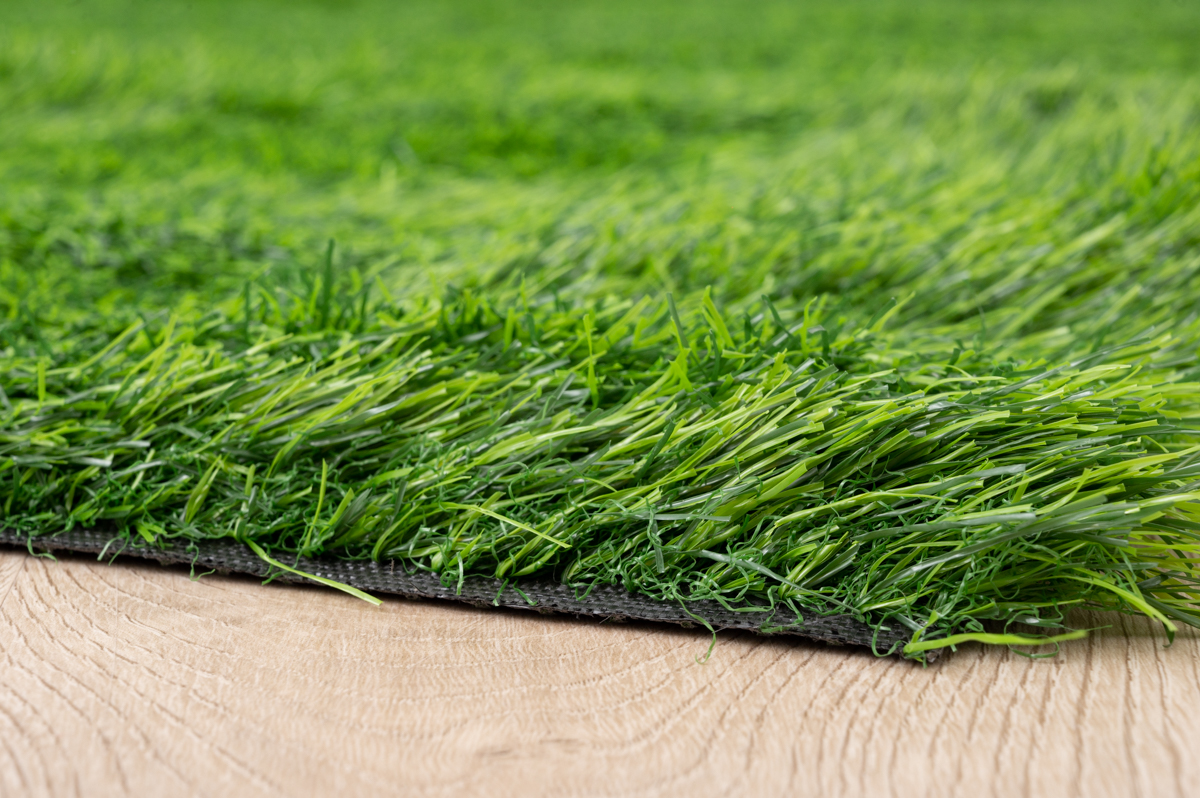
If you live in an area prone to ticks and fleas, artificial grass for dogs in Fresno offers a solution to keep your yard pest-free:
1. No Shelter: Ticks and fleas struggle to survive on synthetic turf because they prefer living under leaves and debris, conditions rarely present on artificial grass.
2. Unfavorable Breeding Conditions: Synthetic grass doesn't provide the ideal conditions for pests to breed. Its smooth surface is challenging for ticks to climb, and the absence of tall grass prevents fleas from hiding. The lack of moisture makes it difficult for ticks and fleas to lay eggs.
3. No Attraction for Food Sources: Artificial grass doesn't attract the animals that ticks and fleas feed on, making it an inhospitable environment for these pests. Without organic matter to feed on, ticks and fleas won't find sustenance in your artificial turf installation.
By investing in artificial grass for dogs in Gp sports, you can enjoy a pest-free yard where your pets can play safely without the risk of tick and flea infestations.