
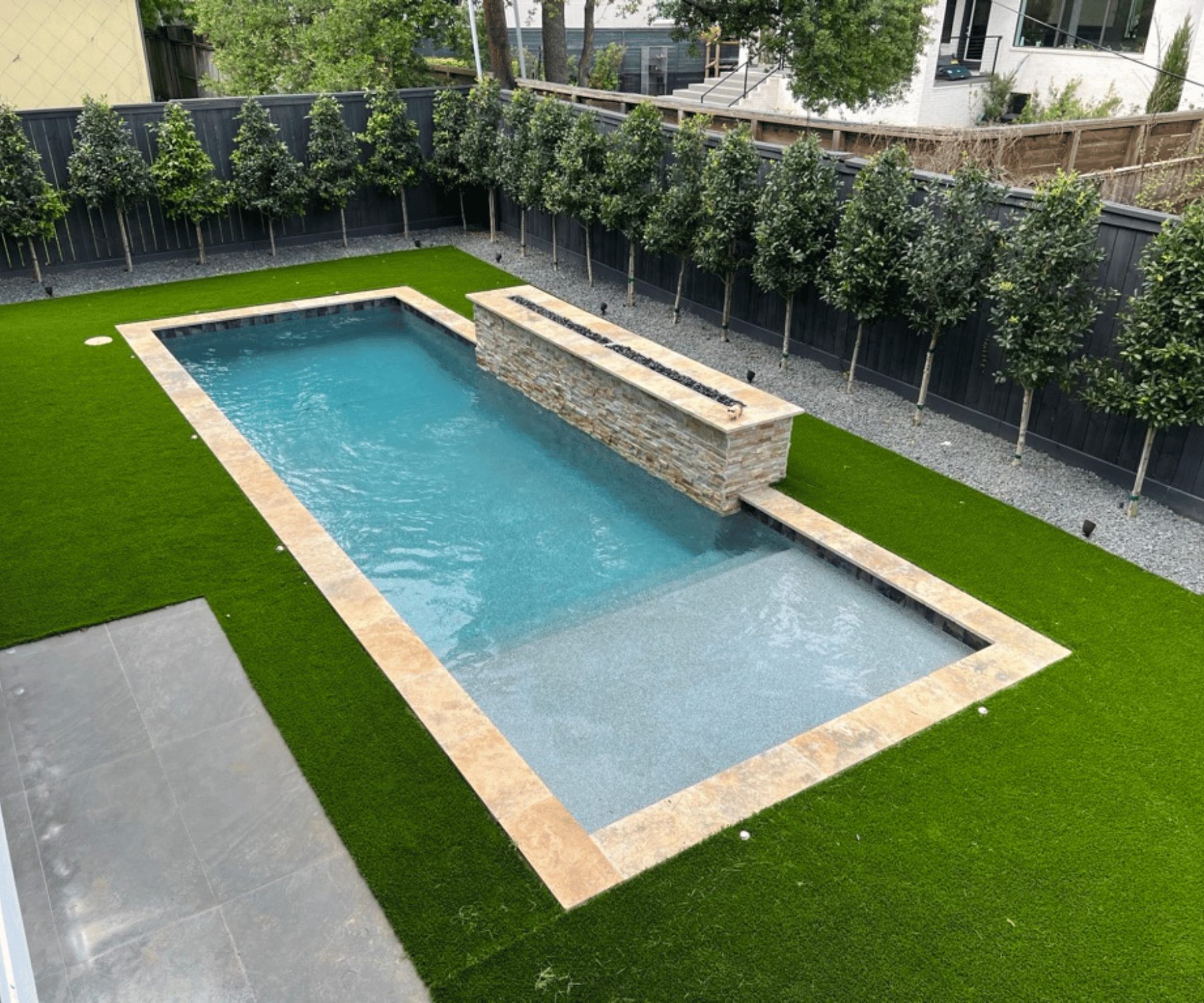
Not everyone needs edging for their artificial grass, but it serves a critical purpose. Edging creates a firm border that contains the sand foundation of the artificial grass. Here's why edging is important:
1. Support: The sand base of artificial grass is not bound like concrete, making it soft for safety. Edging prevents the sand from shifting, limiting movement and maintaining a firm base.
2. Appearance: Edging defines the borders of your artificial grass, giving it a polished look and preventing uneven surfaces over time.
Now, let's explore the various types of edging for artificial grass:
Hard Edging
Hard edging is visible and often made of cemented or fixed materials. Here are some popular hard edging options:
Block Stones or Brick Borders: These are rows of blocks set in a concrete foundation, providing support for paving or between soft surfaces like artificial grass and planting beds. They are durable and aesthetically pleasing.
Paving: If you have existing paving surrounding your artificial grass, it can act as a hard edge. However, if your paving sits on a sand base, additional support may be needed.
Sleepers: Pressure-treated sleepers are versatile and can create tiered gardens, raised beds, or solid borders for artificial grass. Avoid using them on concrete bases.
Flexible Edging
Flexible edging, made primarily of plastic or metal, is quick to install and ideal for curved areas or when you prefer an invisible border. However, it has some downsides:
Flimsiness: Flexible edging can come loose with minimal wear and tear, leading to instability.
Ground Conditions: It requires ideal ground conditions to remain upright and may sometimes need to be cemented for stability.
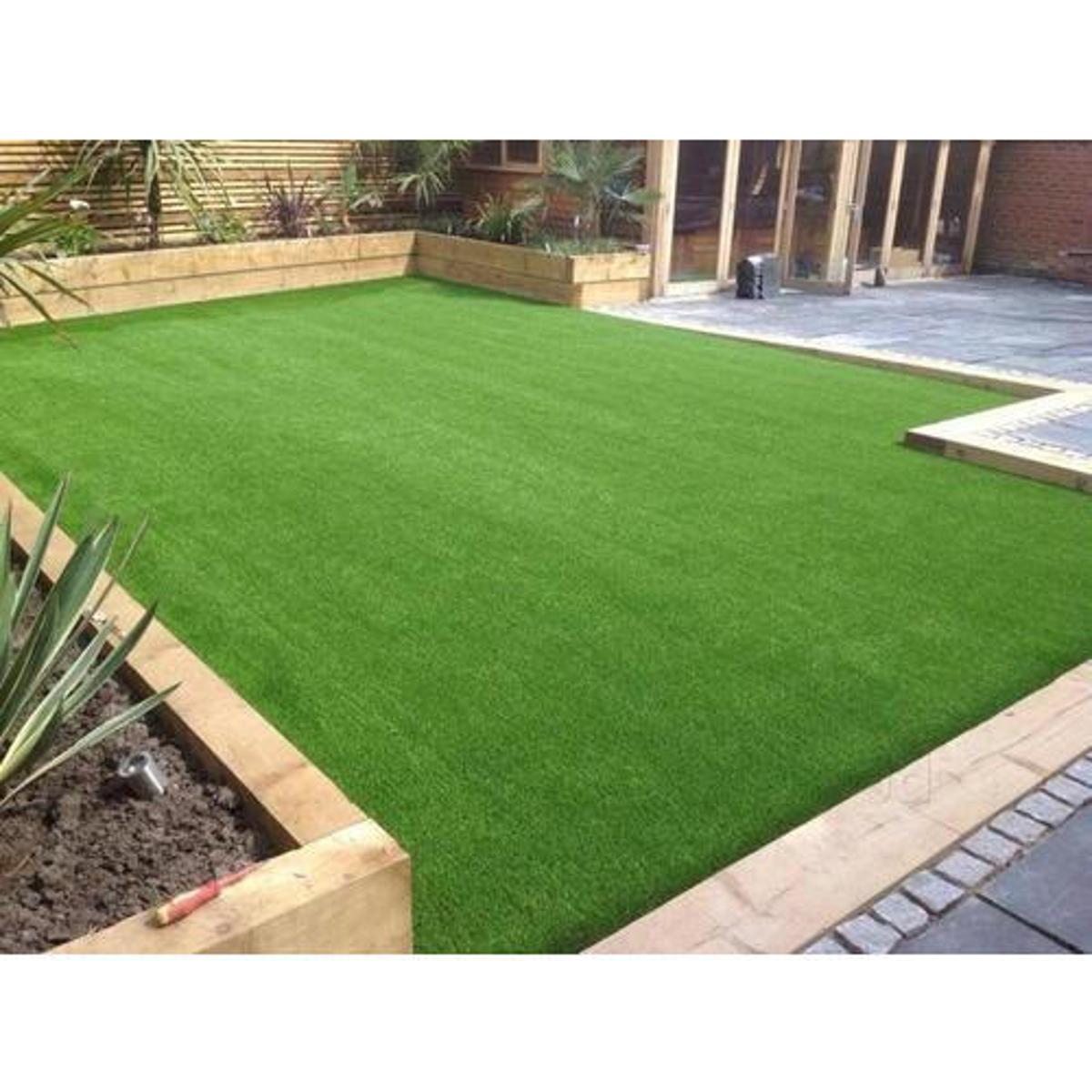
Hidden edging, made of pressure-treated timber or plastic lumber, runs along the perimeter of the artificial grass. It holds the grass firmly in place and offers a better finish. Hidden borders are not essential but enhance the overall quality of the installation. Here are two common options:
Pressure Treated Timber: Easy to work with and with a lifespan of over 10 years, it creates a stable border.
Plastic Lumber: Slightly more expensive but with a lifespan of over 20 years, it's resistant to wear and rot. It's a recommended choice for securing artificial grass.
In conclusion, choosing the right edging for your artificial grass is essential for its longevity and appearance. Each type of edging has its advantages, so consider your specific needs and preferences when making your selection. A well-chosen edging will ensure your artificial grass remains a beautiful, low-maintenance addition to your outdoor space for years to come.