
The Difference Between Artificial Turf and Real Grass
The debate between artificial grass and real grass has persisted. Consider the following factors when making your decision:
1. Drought Tolerance:
Artificial Grass: Requires no water, making it an excellent choice as water restrictions become more stringent.
Real Grass: Some drought-tolerant species exist but still need water, making them suitable for smaller lawns with lower water requirements.
2. Shade Tolerance:
Artificial Grass: Doesn't require sunlight but retains more heat, making it less comfortable to walk on during warm months.
Real Grass: Many grass species are shade-tolerant, such as Zoysia, thriving in colder conditions.
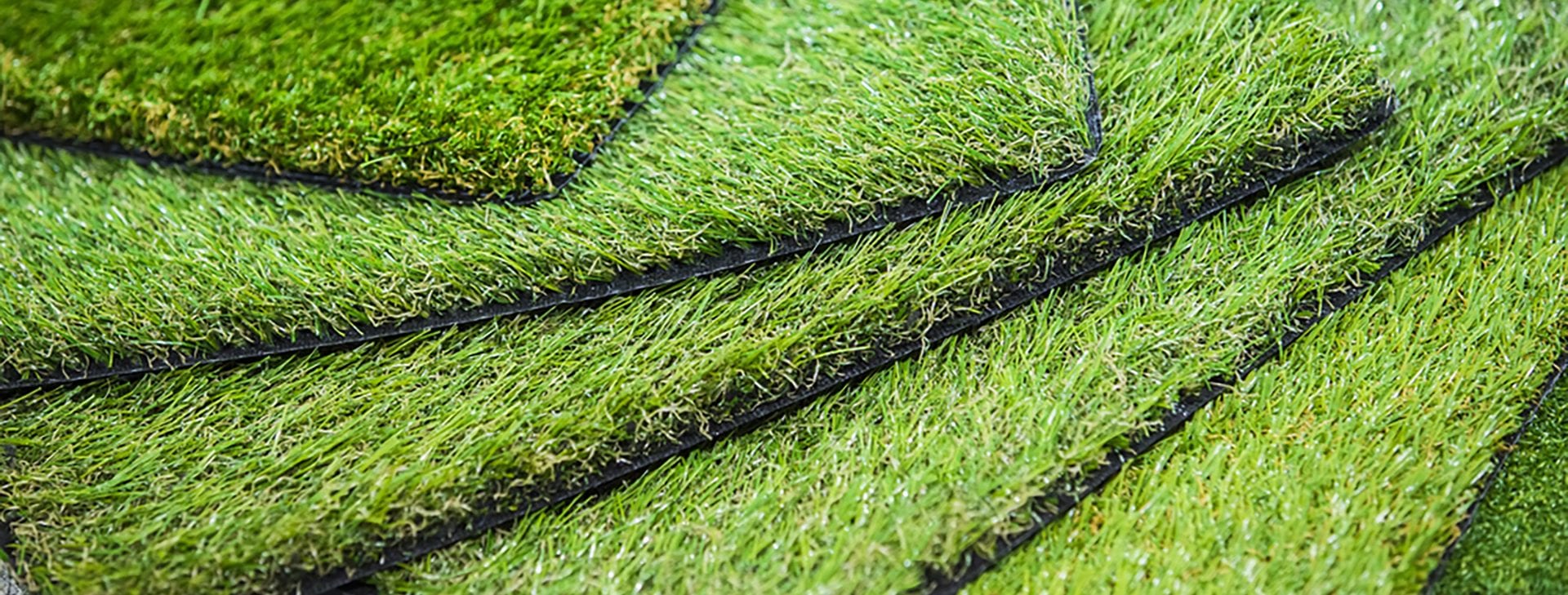
Artificial Grass: Known for durability, often used in commercial settings to withstand heavy foot traffic.
Real Grass: Several hardy grass species, like Zoysia and Kikuyu, can endure an active household's wear and tear.
4. Safety:
Artificial Grass: Maintains a consistent surface without dips or humps, reducing the risk of tripping and falling. Beware of low-quality imitations with potential toxic residues.
Real Grass: Provides a soft and comfortable surface for kids and pets to play on when well-maintained but requires regular pest inspections.
5. Maintenance:
Artificial Grass: While often considered low-maintenance, it can accumulate dirt, dust, and odors over time, necessitating occasional cleaning and washing.
Real Grass: Maintenance varies based on the chosen species but generally involves watering, mowing, weed removal, and possible fertilization.
6. Installation:
Artificial grass is typically easier and faster to install than natural grass, requiring fewer people and less soil preparation and watering.
7. Resilience and Durability:
Synthetic turf is generally more durable than natural grass. However, specific natural grass variants can match synthetic turf in resilience. The choice depends on whether you prefer living grass.
8. Local Environment:
Consider local climate conditions, including seasonal changes, heat, and rain fluctuations. Synthetic turf is generally more resilient and eco-friendly, requiring less water and no pesticides.
9. Cost:
Artificial grass may involve higher upfront costs for installation and upkeep compared to natural grass, especially when growing natural grass from seeds.
10. Appeal to the Senses:
Natural grass provides the fresh scent of freshly mowed lawns and the sensation of walking on real grass, which artificial grass can't fully replicate.
11. Effect on the Environment:
Synthetic grass has environmental benefits, including water conservation and reduced pesticide use. Natural grass can require significant water and chemical inputs.
12. Suitability for Kids and Pets:
Certain artificial grass variants are designed to be safe for kids and pets, with shock-absorbing layers and hypoallergenic properties.
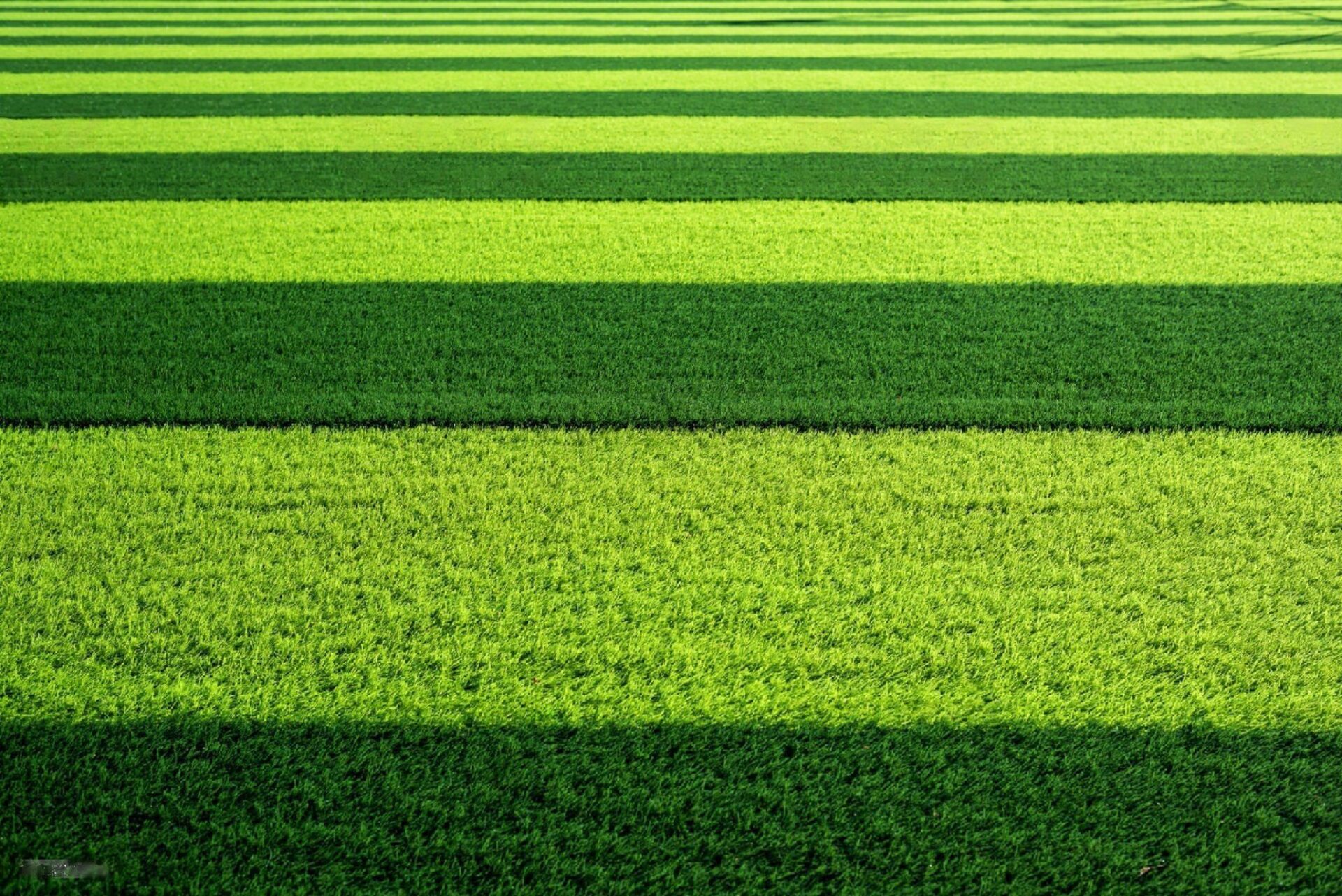
Football Field Artificial Grass Rugby Field Artificial Grass Baseball Field Artificial Grass