

In the UK, granite is often favored due to its lower moisture retention compared to sand. The choice between granite and sand sub-base depends on various factors:
Pros of Using Granite as an Artificial Grass Sub-Base:
1. Density and Permeability: Granite, especially when combined with MOT Type 1 and granite or limestone dust, provides excellent density and permeability. This combination prevents the formation of ridges and lumps while facilitating efficient water drainage.
2. Enhanced Drainage: To prevent water pooling, combining granite with granite chippings (2mm stones work well) improves drainage, making it ideal for areas that experience heavy or frequent foot traffic.
3. Pet-Friendly: Granite sub-base is particularly suitable for pet-friendly artificial grass installations. It allows dog urine to drain quickly, helping to mitigate odors.
Cons of Using Granite as an Artificial Grass Sub-Base:
1. Slow Drainage: Granite alone does not offer rapid drainage, making it less suitable for areas with frequent heavy rainfall.
Sand Sub-Base
Sand has a long history of use in artificial grass installations and is still recommended by some installers. It has its advantages and disadvantages:
Pros of Using Sand as an Artificial Grass Sub-Base:
1. Cost-Effective: Sand is often more cost-effective than granite, making it an attractive option for some projects.
2. Permeability: Sharp sand has larger grains, making it highly permeable and suitable for improving irrigation systems.
Cons of Using Sand as an Artificial Grass Sub-Base:
1. Moisture Retention: Sand retains moisture and fosters bacterial growth over time. This can lead to instability and uneven surfaces, particularly in high-traffic areas or locations with pets.
2. Shorter Lifespan: Sand sub-bases may result in a shorter lifespan for your artificial grass, potentially reducing its expected 10 to 20-year longevity.
3. Weed Growth: Sand provides an ideal environment for plant bulbs to grow. Seeds can sprout, causing bumps and ridges on your artificial grass surface.
Choosing the Right Sub-Base
The choice between granite and sand sub-base ultimately depends on your specific circumstances:
For most commercial and home artificial grass installations, granite provides better performance and durability.
If cost is a primary concern and the installation is purely ornamental, sharp sand could be a viable option.
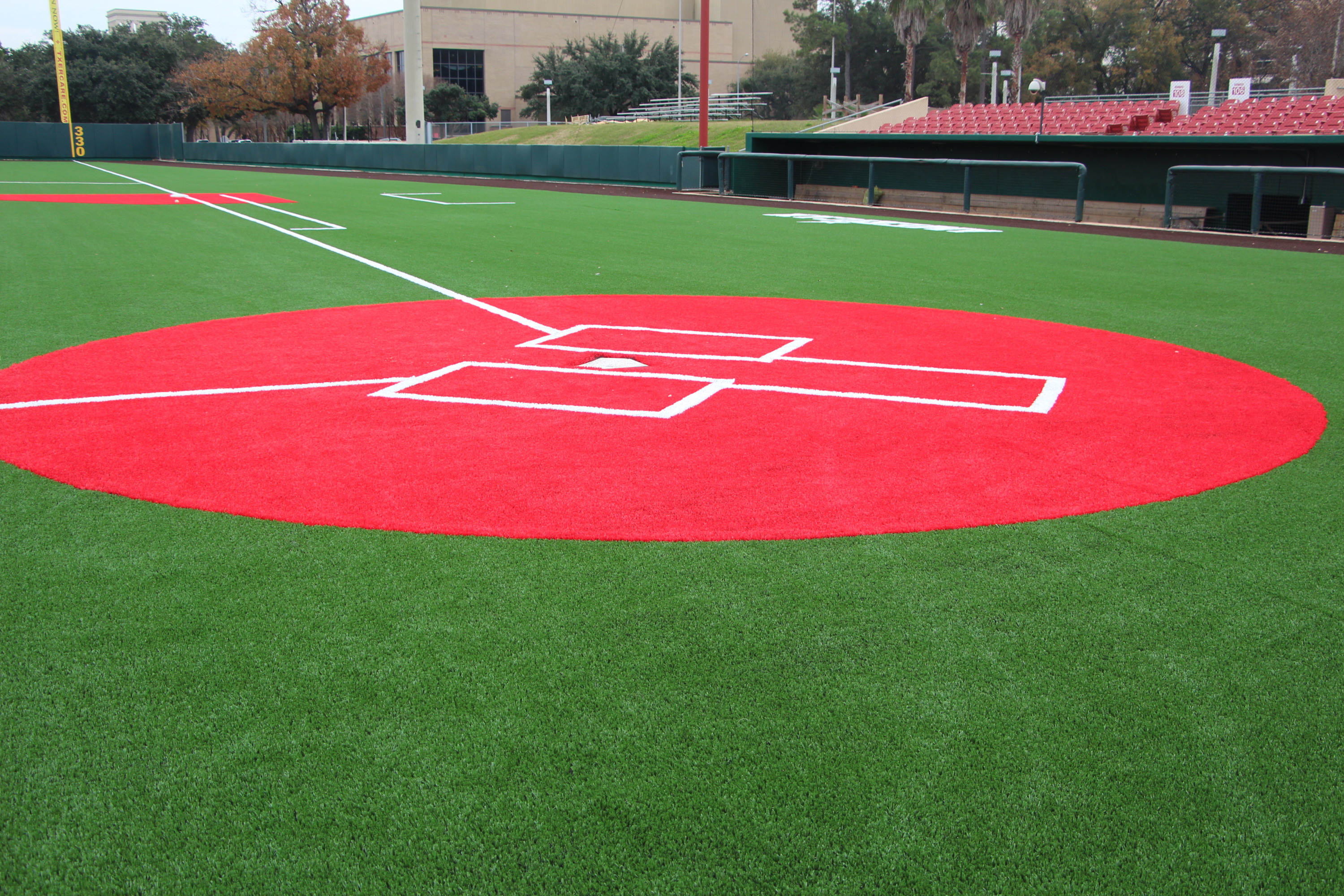
Ensure that your artificial grass investment stands the test of time by selecting the right sub-base material with professional guidance. Contact Gp Sportsto explore your options and turn your vision into a reality.