


Weed membrane
Type 1 aggregate
Sharp sand for fine leveling
Metal or timber surround (optional)
Your chosen artificial grass
20mm shock pad underlay
40mm x 2.5mm carpet tacks
Artificial grass glue
Jointing tape (if joints are required)
Kilndried sand (for your fake grass infill – around 45Kg per square meter)
Tools Checklist:
Shovel
Wheelbarrow
Wacker plate
Screed bar
Stiff broom
Tape measure or straight edge
Sharp knife and spare blades
Spatula or filling knife (to spread the glue)
Before You Start: Do the Groundwork
1. Check for Cables and Pipes: Ensure there are no cables or pipes beneath the area where you plan to lay fake grass. Protecting these services is essential.
2. Assess Drainage: Confirm that the area has proper drainage to avoid water accumulation.
3. Weed Killer: Treat the area with a strong weed killer and allow it to work for a few days.
4. Remove Soil: Remove the soil to a depth of 75100mm, leveling the area for an even surface. A slight gradient for drainage is acceptable.
5. Install Weed Membrane: Lay a weed membrane to prevent vegetation from growing through the artificial grass.
6. Optional Edging: Install a wood or metal surround if you plan to border the synthetic lawn with plants. Ensure it doesn't sit above the final grass line.
7. Aggregate and Sand: Fill the area with type 1 aggregate to a depth of approximately 60mm. Compact the aggregate with a wacker plate and then apply a layer of sharp sand using a screed bar to achieve a smooth surface.
StepbyStep Guide to Installing Fake Grass on Dirt:
1. Install Shock Pad Underlay: Start at one end of the area, placing the shock pad underlay roll against the edging. Roll it out, cut it to shape, and use jointing tape to secure separate pieces together. Tack it down every 1020cm.
2. Roll Out Synthetic Grass: Leave a 5cm overhang on all edges for trimming. Allow the synthetic grass to rest for 23 hours to eliminate wrinkles.
3. Trim and Join: Trim the grass with the back facing you and follow the stitch lines for a neat edge. When joining pieces of artificial grass, ensure the pile direction is the same. Fold edges back to reveal the stitch lines, cut, and seal with jointing tape.
4. Glue the Grass: Fold the grass back and apply adhesive to the entire perimeter edge of the underlay. Press the grass into the adhesive, and allow it to bond for at least two hours.
5. Sand and Brush: Infill the synthetic lawn with kilndried sand to weigh it down and protect the fibers. Brush the sand into the grass to maintain its appearance.
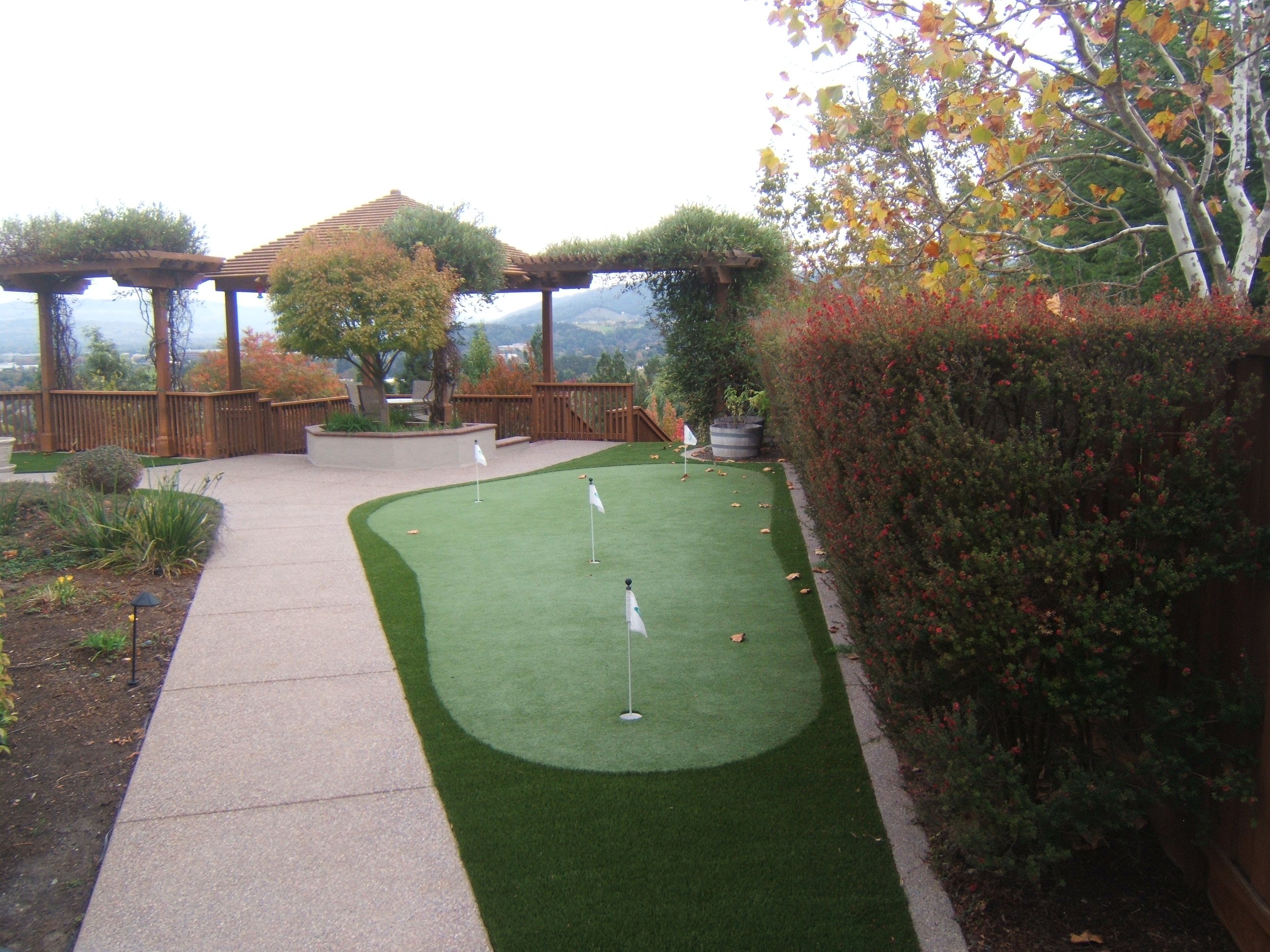
Regularly brush the fake lawn to keep it looking its best.
Use a leaf blower, broom, or rake to clear debris.
Spread the load when placing furniture or equipment on the lawn.
Keep hot objects, like barbecues, away from the artificial grass.
By following these steps and properly preparing the ground, you can enjoy a beautiful and lowmaintenance artificial lawn for years to come.
Enhance Your Outdoor Space with Fake Grass
Ready to transform your outdoor space with fake grass? Contact us today to explore our range of highquality artificial grass options, including options for football fields, hockey fields, and rugby fields.