

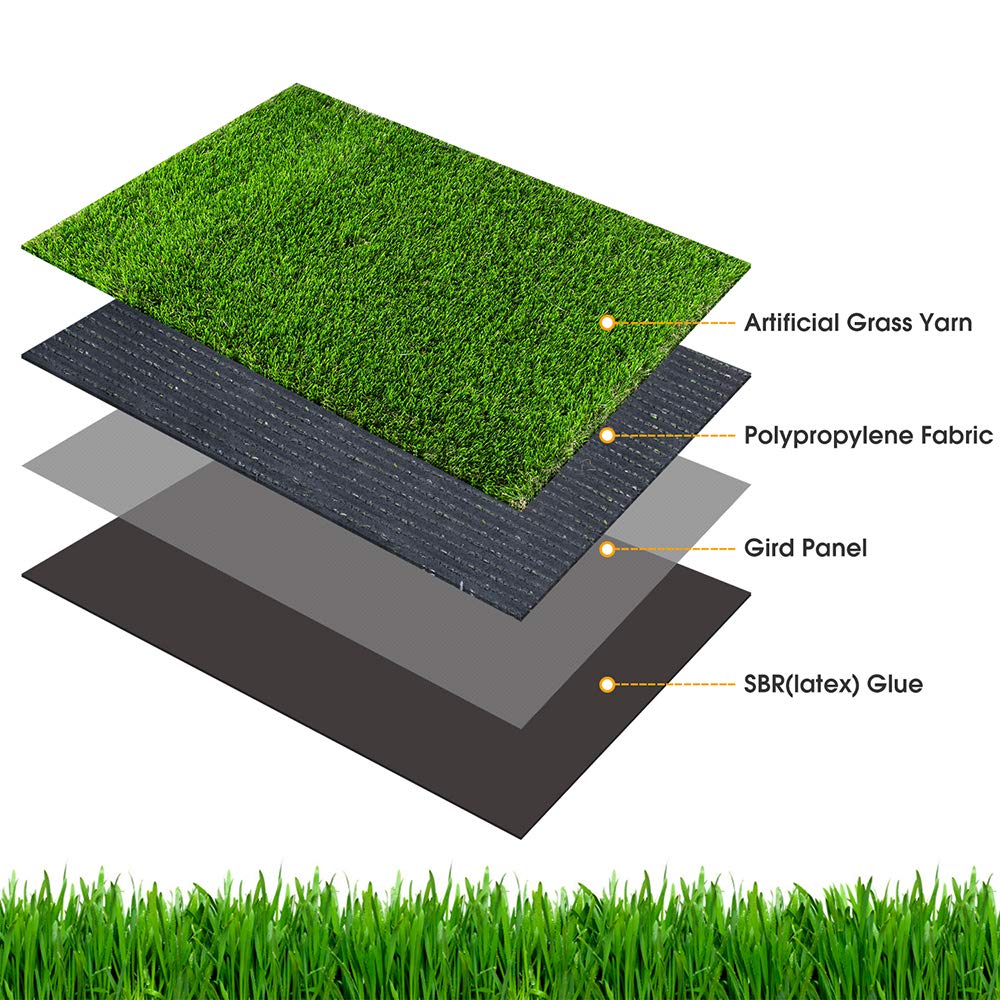
So, does the synthetic turf you choose have anything to do with drainage? Absolutely! It's the first factor to consider when selecting a product for any application. Synthetic turf has come a long way, with most products on the market today boasting drainage capabilities. Many have drainage holes punched into the backing to allow for proper drainage. The size and spacing of these holes vary among manufacturers and products.
The Importance of Proper Drainage
While more drainage holes generally mean better drainage, the distance between them is equally important. Closer holes permit contaminants to pass through the backing and into the soil, mimicking natural grass. In contrast, turf products with widely spaced drainage holes may have slow permeability rates, leading to slower drainage and potential flooding issues. Some manufacturers now offer 100% permeable synthetic turf, ensuring it can handle heavy rainfall.
Subbase Matters: The Foundation for Drainage
A common misconception is assuming that if your turf product can drain well, your subbase will too. Understanding subbase materials is crucial for a successful installation. Attempting to cover poor-quality soils with good drainage materials can lead to problems. Eventually, the underlying soils become fully absorbent, causing water intrusion rejection and flooding. In such cases, it's best to over-excavate and replace the subbase with quality drainage materials.
Selecting the Right Drainage Aggregates
Choosing the right subbase materials for proper drainage is essential. High-quality hard rock, sand, and gravel aggregates are recommended. These materials, when placed in smaller lifts and compacted correctly, retain density, allow permeability, and withstand excessive water penetration. Consider materials like crushed/decomposed granite, limestone chat, 3/8" minus mixtures, and ¾ washed limestone for optimal drainage.
Managing Water Exit Points
When designing synthetic turf installations, especially in areas prone to flooding, it's crucial to plan for water exit points. Excessive surface water must have a clear path to drain away from the installation. Failure to account for this can lead to water damage. Storm and rainwater must exit the initial surface and continue to drain until it reaches a settling point. For example, a rooftop with a 10,000-square-foot surface area will produce about 8,000 gallons of water runoff with just 1 inch of rainfall.
Avoiding Existing Drainage Issues
Before starting any synthetic turf project, consider factors like existing drainage issues, soil saturation, and the need for grading or contouring. Water tests can help determine if the area has the proper slope and drainage for your installation.
Exit Drains, French Drains & Catch Basins
To prevent flooding of synthetic turf areas, consider installing exit drains, French drains, or catch basins. These systems help manage excessive water runoff that could otherwise cause subbase failure.
Structures and Drainage
Understanding how external structures affect drainage is crucial. Rooftops, balconies, and mezzanines can route floodwaters to drainage points near your installation. Ensure that elevations are correct before installation, and adjust them if necessary. Inspect the surroundings during the initial job site meeting to identify potential drainage challenges.
Weed Barriers and Permeability
Installing a quality permeable weed barrier below synthetic turf is vital. Without proper permeability, clogging can occur, causing drainage holes to become ineffective. Quality weed barriers allow water and air to flow through efficiently.
Contouring vs. Flat Installation
When deciding between contouring and a flat installation, consider factors like drainage and client preferences. Contouring can enhance the beauty of synthetic turf but may pose drainage challenges. Flat installations are suitable for areas where drainage is critical.
Dealing with Snowfall
In regions with heavy snowfall, ensure your subbase consists of firm compacted materials and quality drainage rock. Proper drainage is essential to prevent water saturation and runoff.
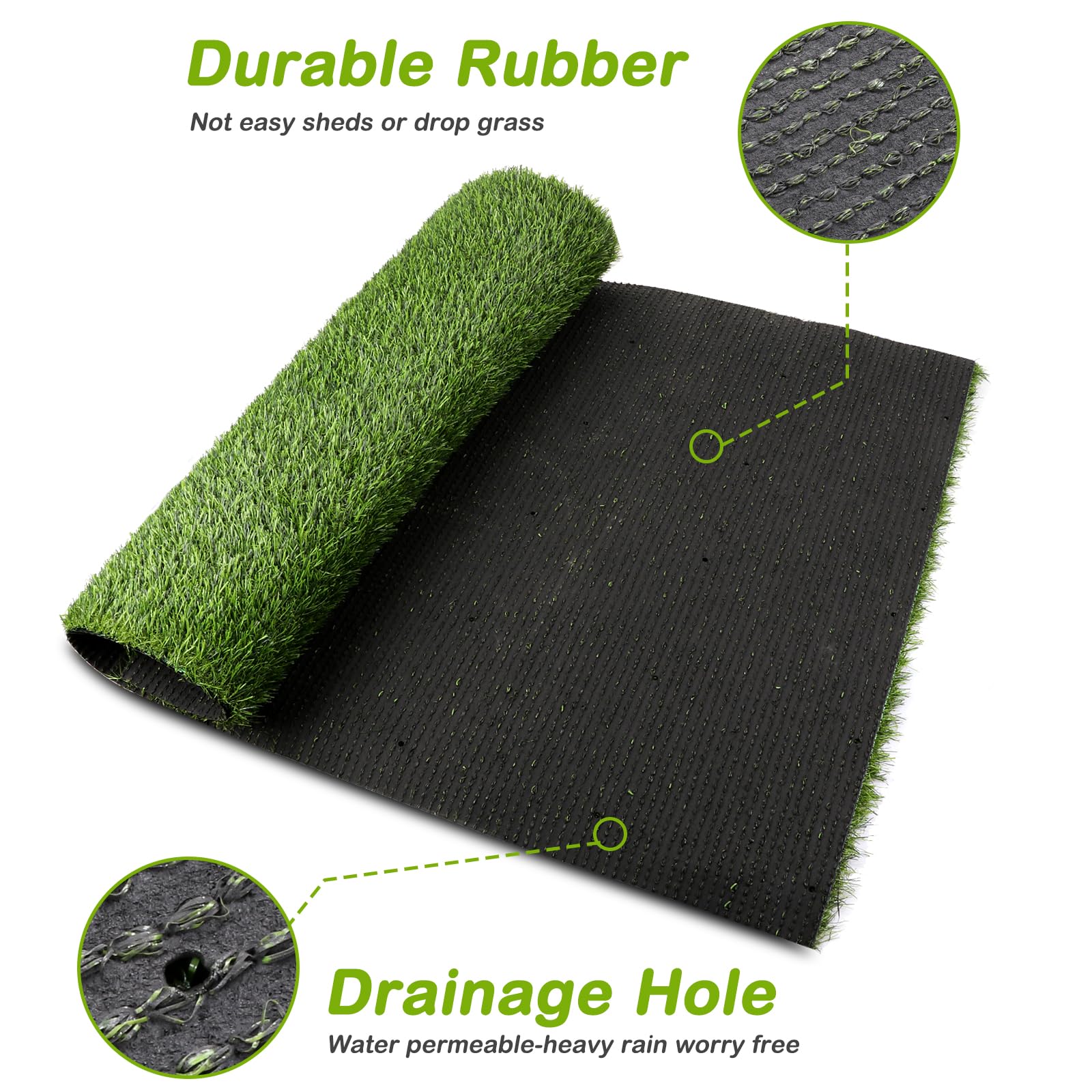
For synthetic turf on rooftops, balconies, and mezzanines, proper drainage is essential. Consider using a drainage grid beneath the turf to allow water to escape. Without this, thermal contraction and contaminants can reduce turf longevity.
Mastering Drainage and Flooding
In summary, understanding elevations, slopes, drainage, and potential flooding is crucial when installing synthetic turf. Ignoring these factors can lead to costly issues and damage. So, remember: proper drainage is the foundation of a successful synthetic turf installation.