

When it comes to artificial grass for your beloved pets, there's often a debate about whether or not to use a foam underlay. Let's unravel this mystery and explore the best practices for installing artificial grass that keeps your furry friends happy and your lawn looking pristine.
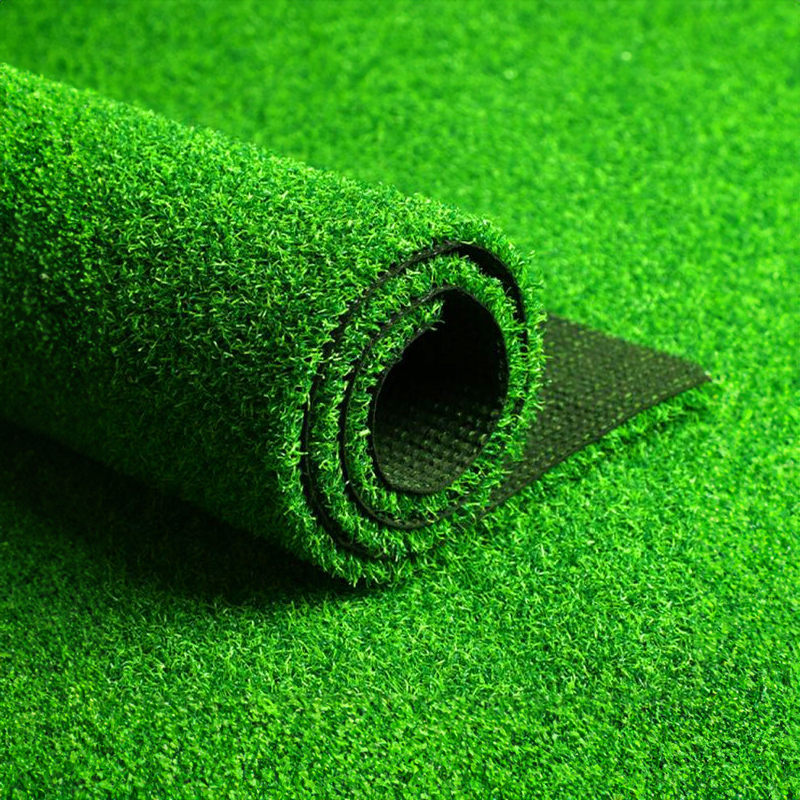
Do You Need a Foam Underlay?
The decision to install a foam underlay for your artificial grass primarily hinges on your specific needs and preferences. Here are the key reasons you might consider it:
1. Softness: If you desire a plush, cushioned feel underfoot, a foam underlay can provide that extra layer of comfort.
2. Safety: Foam shockpads can be a valuable addition if you want to create a safer play area for children, offering protection from potential falls.
3. Hard Surfaces: When installing artificial grass directly on a hard surface, such as concrete, a foam underlay can enhance shock absorption.
However, for a standard installation, a foam underlay is not essential. It's important to note that if you do opt for an underlay, select one that is free-draining to prevent the absorption of odors.
Proper Installation for Pets
When installing artificial grass for dogs or pets, the key consideration is ensuring efficient drainage. If liquids, particularly urine, cannot drain through the artificial turf, unpleasant odors can become trapped.
To address this, it's crucial to create a permeable sub-base. Here's how:
1. Sub-base: Install a 50-75mm sub-base made of granite or limestone chippings. Even when compacted, tiny holes remain in the sub-base, allowing liquids to drain through the turf and into the ground below.
2. Perimeter Security: Secure the edges of your artificial grass properly. One effective method is to install treated timber edging and then nail the perimeter of your turf to the timber. Alternatively, use fixing pins to secure the perimeter to other types of edging, such as concrete or metal.
By following these steps, you'll ensure that your artificial grass remains well-drained and odor-free, even during dry spells.
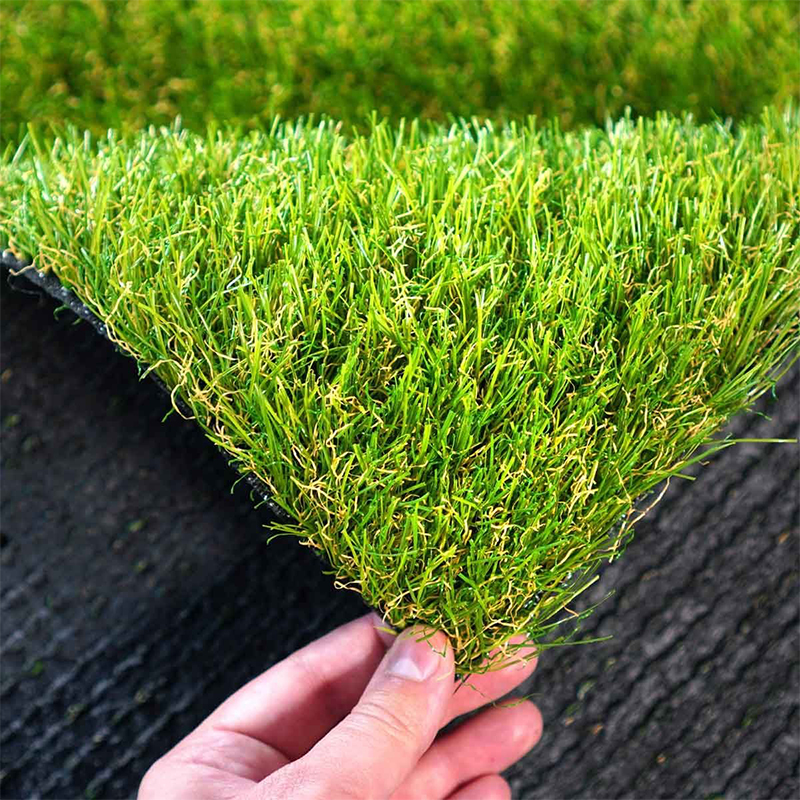
Additional Considerations
Before choosing artificial grass for your pets, remember these essential tips:
1. Certifications: Ensure your selected artificial grass has been tested and certified against harmful substances. Look for certifications from independent testing bodies to guarantee the safety of your pets.
2. Product Suitability: Not all artificial grass products are suitable for pet use. Consider the specific needs of your pets, such as durability and comfort, when making your choice.
3. Research: Take the time to research and select the best artificial grass for your pets. Look for reviews, seek recommendations, and ask your manufacturer for certifications.
In conclusion, choosing the right artificial grass for your pets is essential to ensure their comfort and safety. By following these guidelines and considering your pets' unique needs, you can create a pet-friendly outdoor space that both you and your furry companions will love. If you have any questions or need further guidance, please feel free to leave your inquiries in the comments section – we're here to assist you in making the best choice for your pets.