
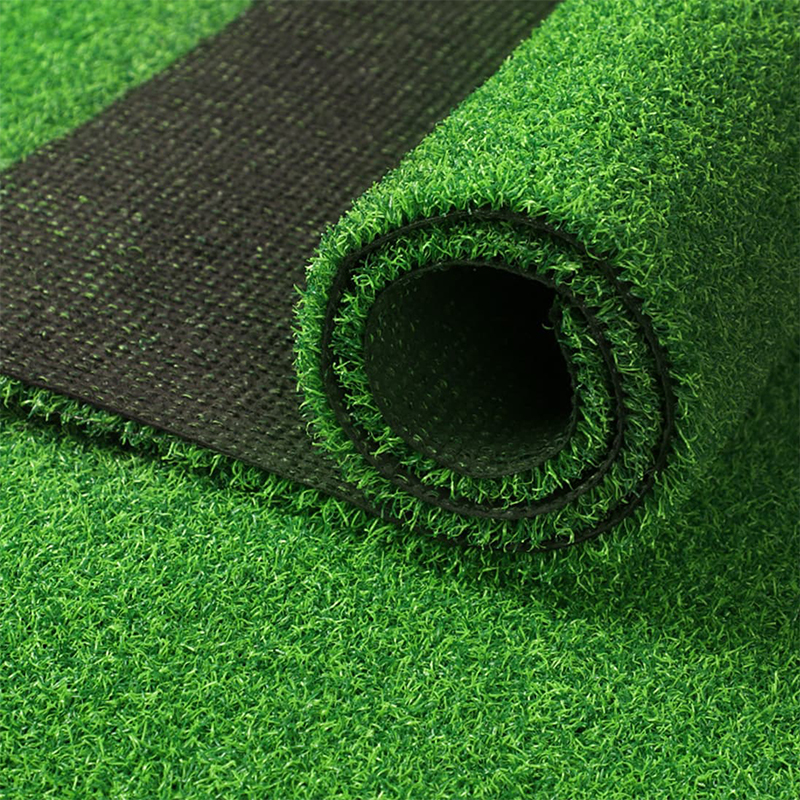
Artificial grass, commonly known as turf, has undergone remarkable advancements in technology, making it nearly indistinguishable from natural grass. Its versatility extends beyond aesthetics, offering the advantage of transforming outdoor fields into indoor spaces during the winter months, a feat that would be impossible with living, breathing grass. The journey of creating artificial turf is a specialized and intriguing process that comprises two fundamental components: the synthetic grass blades and the fabric backing to which these blades are affixed.
Creating the Blades of Grass:
The process begins with high-quality white plastic pellets, which are meticulously melted and tinted green to mimic the appearance of natural grass. The liquefied plastic is then extruded into lengthy strands, which are subsequently stretched to enhance their durability. These strands are spooled together and formed into yarn, setting the stage for the next phase of production.
Bringing it All Together:
Using a sophisticated automated sewing machine, the plastic grass yarn is threaded through a large sheet of fabric. Once the yarn is looped through, another machine deftly slices the ends of each loop, liberating the individual strands and bestowing a lifelike tip to each artificial grass blade.
To ensure cohesion and reinforce the entire sheet, an adhesive is applied to the back of the fabric. This adhesive serves a dual purpose: it holds the strands securely in place and fortifies the overall structure. Additional processing steps further enhance the sheet's strength and grant it the ability to withstand both heavy foot traffic and exposure to the elements.
Emulating Real Grass:
To truly replicate the look and feel of real grass, the synthetic turf must meet specific criteria. It must endure the rigors of sports and activities while providing a natural underfoot sensation. Achieving this delicate balance involves meticulous craftsmanship and a keen understanding of materials.
Once the sheets of artificial grass are ready, they are rolled up and shipped to sports facilities, where they are skillfully installed by synthetic turf professionals. This installation process follows a scientific methodology to ensure that the turf closely mimics the characteristics of natural grass, providing athletes with a surface that feels as close to the real thing as possible.
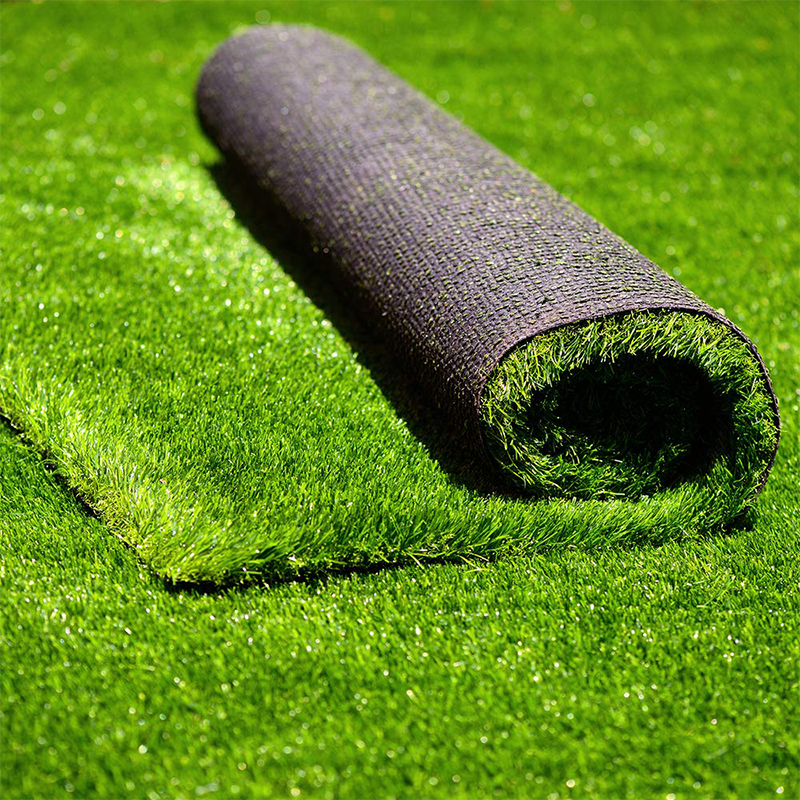
In the realm of air dome sport facilities, the existence of synthetic turf that can authentically simulate natural grass is pivotal. Thanks to this innovation, indoor sports have become more feasible and enjoyable than ever before.
At GP Artificial Grass (GP Turf), we take pride in our commitment to producing top-quality synthetic turf solutions that offer the best of both worlds: the visual appeal and functionality of natural grass with the added benefits of durability and versatility. Whether you're planning an air structure project or seeking the perfect turf solution, GP Artificial Grass (GP Turf) has you covered.