
The terms "artificial turf" and "artificial grass" are often used interchangeably, but in reality, they refer to two different types of synthetic grass. The distinction lies in the specific use and characteristics of each.
Artificial Turf:
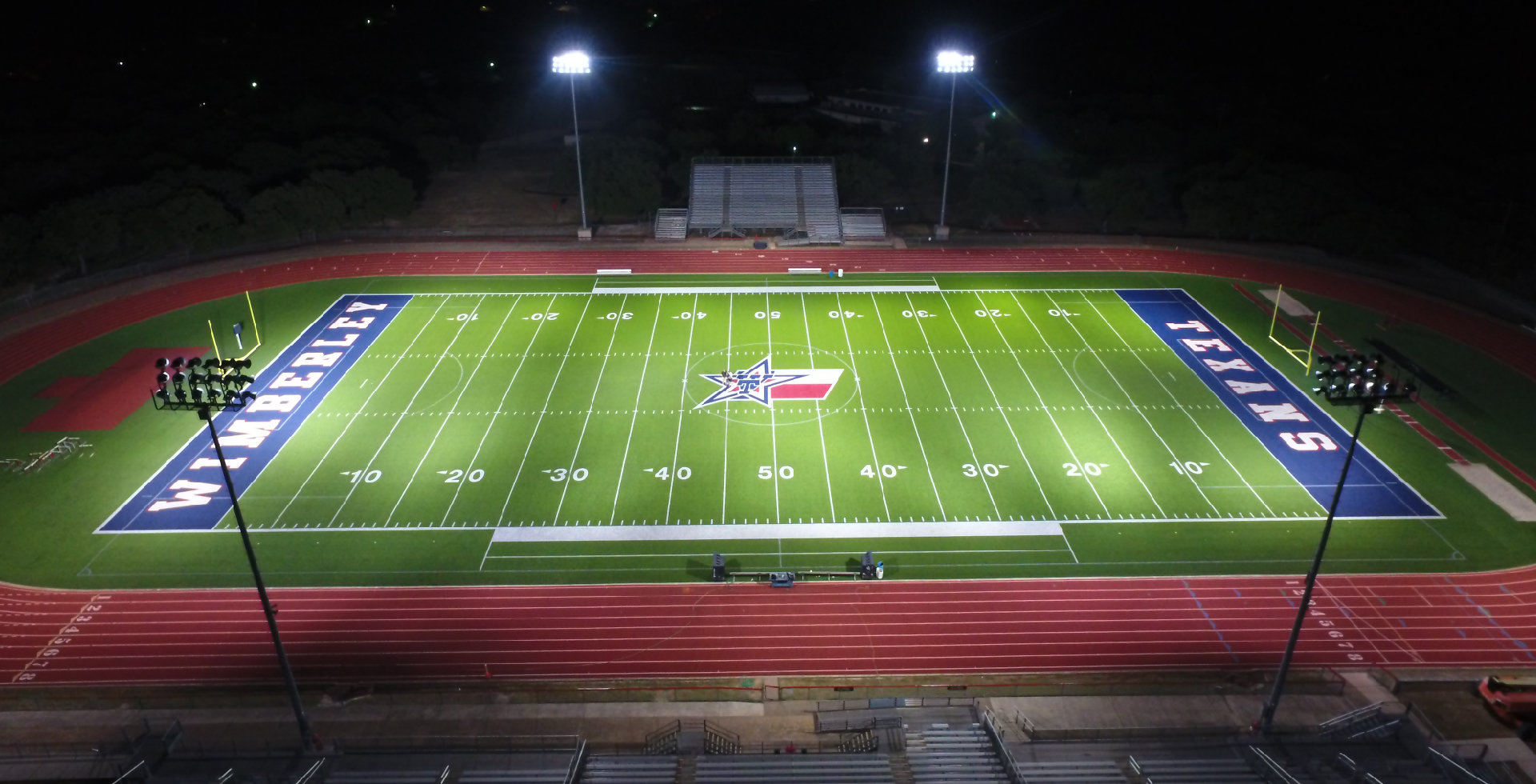
Artificial turf is designed primarily for sports applications. It is characterized by its shorter and more rugged appearance. This type of synthetic grass is engineered to withstand the rigorous demands of sports activities, including the constant running, cleats, and sharp movements made by players during games. It's not just tough; it's exceptionally durable. Artificial turf is not only safer than natural grass, reducing the risk of injuries in various playing conditions, but it also allows games to continue even in wet weather.
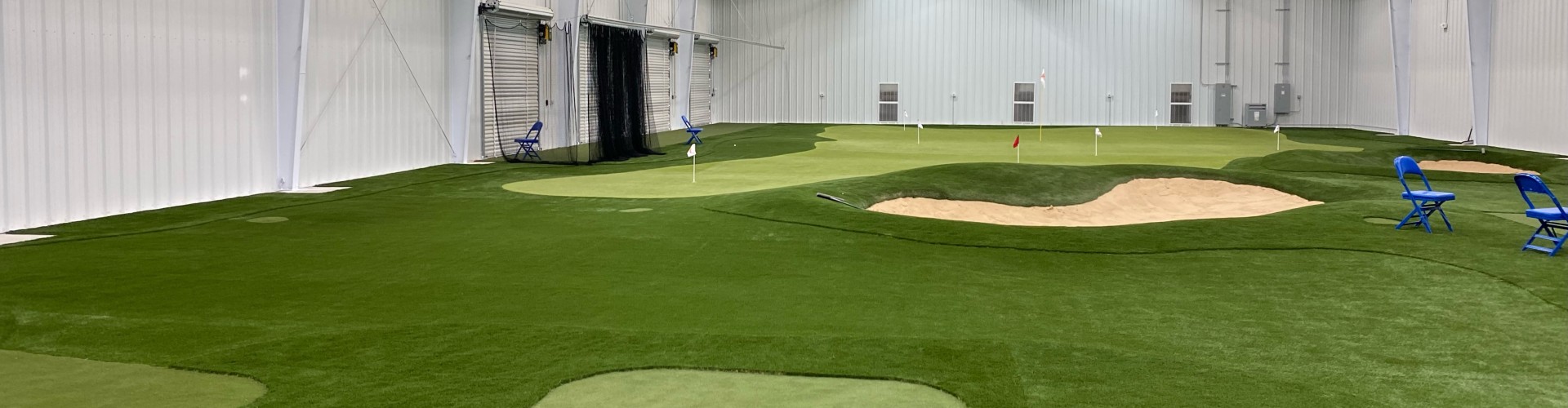
While we often associate artificial turf with large sports fields and teams of players, there are specialized installations designed for smaller sports and recreational purposes. These include backyard putting greens, bocce ball courts, and even tennis courts.
Artificial Grass:
On the other hand, artificial grass is more focused on aesthetics. It features a longer and softer appearance, resembling the lushness of natural grass. Artificial grass is not just about durability; it's also about providing maximum visual appeal. It's the "good looks" side of the synthetic grass equation. While we commonly refer to it as "grass," it actually consists of three components that work together to create its beautiful appearance.
It's important to note that not all artificial grass is created equal. The quality and value of the final product depend on the materials used and the craftsmanship involved in its manufacturing. Professional installation is key to ensuring maximum longevity and performance.
Artificial grass is perfect for creating stunning lawns, and there are specialized varieties ideal for children's playgrounds, backyard play areas, at-home dog runs, and doggie daycare facilities. Just as artificial turf offers safety benefits for players, artificial grass for kids and pets is safer than real grass, too.
Common Traits of Artificial Turf and Artificial Grass:
While they have distinct differences, artificial turf and artificial grass share several common traits that make them popular among property owners:
1. Water Conservation: Both types require no watering, helping property owners save on water expenses.
2. Low Maintenance: They entail minimal maintenance and associated ongoing costs compared to natural grass.
3. Allergen-Free: Artificial grass eliminates the presence of grass allergens like pollen, making it a healthier option.
4. Chemical-Free: There are no harmful residues from chemical applications, promoting eco-friendliness.
5. Longevity: Sports facilities and venues benefit from not having to repeatedly replace expensive sod, reducing costs.
6. Time Savings: Homeowners can enjoy weekends without the hassle of constant lawn upkeep.
At GP Sports, we offer a wide range of synthetic grass products, providing various options to suit your specific needs. With "50 shades of green" to choose from, we're here to help you make the right selection for your application. Visit our showroom to see and feel samples of the grass varieties we offer. Whether you're in the market for artificial turf or artificial grass, we're confident you'll be impressed by the array of options available.