
Irrigation:
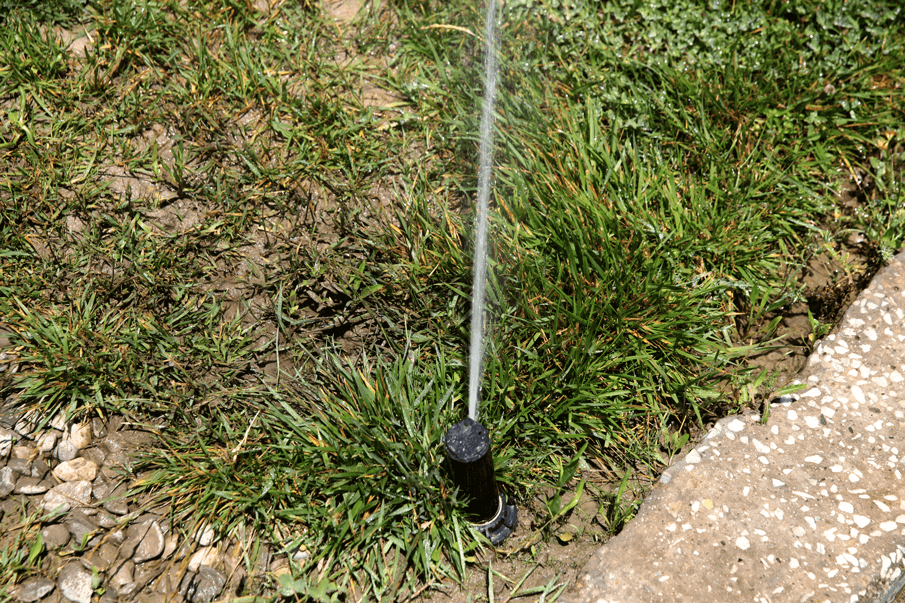
Natural Grass: Real grass demands regular watering, potentially even in the morning and evening, depending on your location.
Artificial Grass: Fake grass requires minimal watering, primarily for cleaning purposes. A quick hose down to remove dirt is all it needs.
Safety:
Natural Grass: Real grass can require the use of pesticides and chemicals, which may not be suitable for children or pets.
Artificial Grass: Fake grass is chemical-free, making it safe for both kids and pets to play on. It's increasingly used in public play areas for this reason.
Mowing:
Natural Grass: The smell of freshly mowed natural grass is delightful, but the environmental impact of lawn mowing is substantial.
Artificial Grass: While fake grass doesn't offer that fresh-mown scent, it doesn't contribute to air pollution caused by lawnmowers.
Maintenance:
Natural Grass: Natural grass demands significant maintenance, including watering, mowing, fertilizing, and weed control.
Artificial Grass: Fake grass requires minimal maintenance. Regular brushing to fluff up the fibers is usually sufficient.
Environmental Impact:
Natural Grass: Real grass contributes positively to the environment by providing oxygen, filtering pollution, and absorbing heat. However, it can be treated with pesticides that may harm water systems.
Artificial Grass: Fake grass conserves water but can create pollution during manufacturing. It's not always biodegradable.
Installation Cost:
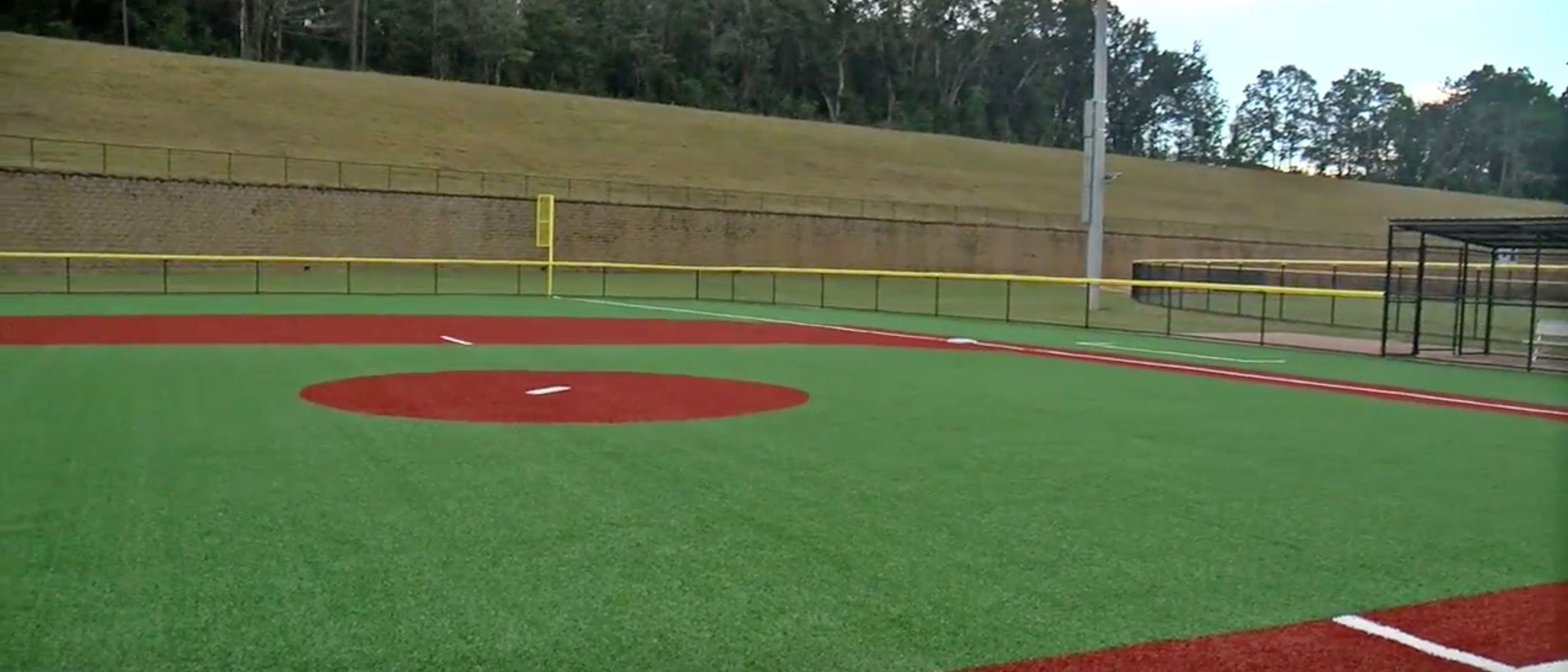
Artificial Grass: Installing artificial turf involves various costs, including materials, labor, and overhead. The installation cost for a 1,000 square foot lawn can start around $9,000, depending on factors like grass type and quality.
Natural Grass: Installing natural grass can be done through sodding or seeding, with costs varying based on the chosen method and lawn size. Sod installation with a sprinkler system can cost around $5,500.
Care and Maintenance Costs:
Artificial Grass: Over a 25-year lifespan, fake grass requires minimal care, including occasional watering, brushing, and odor control. Care costs range from $340 to $6,340, depending on whether you have pets.
Natural Grass: Maintaining natural grass involves ongoing expenses like mowing, aeration, overseeding, fertilizing, weed control, and watering. Over 25 years, these costs can amount to $35,500.
The Decision:
Artificial Grass: While the upfront cost of artificial grass installation can be high, it pays off in savings over time. It's a water-efficient, low-maintenance option that also reduces air pollution from lawn mowers.
Natural Grass: Natural grass may have the allure of a freshly mowed lawn, but it comes with higher maintenance costs and environmental considerations.
In the end, the choice between natural grass and artificial grass depends on your priorities and circumstances. Data-wise, artificial grass appears to be the more cost-effective and environmentally friendly option. However, the final decision rests with you, based on your lifestyle and needs.