
In recent years, artificial grass has surged in popularity, finding applications far beyond sports arenas and stadiums. Now, it graces homes, playgrounds, and smaller spaces where growing natural grass proves challenging. The journey of artificial grass dates back to the early 1960s when Chemstrand Company (later known as Monsanto Textiles Company) introduced "ChemGrass," later rebranded as AstroTurf. Initially, it mimicked carpet manufacturing processes. But as time progressed, innovation and technological advancements revolutionized the industry, resulting in artificial grass that boasts an "almostreal" appearance and feel.
Crucial to the quality and performance of artificial grass is the choice of raw materials. Modern manufacturing techniques and superior materials now yield artificial grass that is nearly indistinguishable from natural turf. This grass exhibits exceptional durability, wear resistance, UV resilience to preserve color under harsh weather, and a longer, lusher, and softer texture.
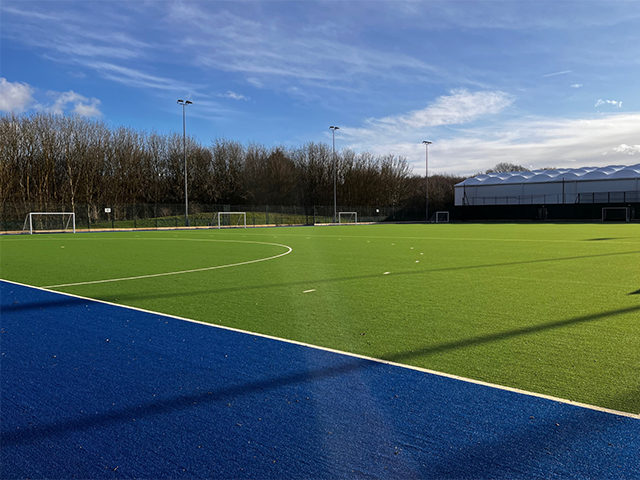
Artificial grass primarily comprises three key materials:
1. Polypropylene:
Grass Blades: The blades of artificial grass are crafted from polyethylene or nylon. Polyethylene, a commonly used plastic found in bottles and bags, is melted and mixed with pigments and additives for durability and UV resistance. Alternatively, the grass blades can be made from thin nylon sheets, extruded into fine fibers with oval or round crosssections. These extruded nylon blades closely emulate the look and feel of natural grass.
2. Thatch:
The thatch layer typically consists of polypropylene, providing additional support and cushioning to the artificial lawn.
3. Turf Backing:
Highquality artificial lawns employ polyester tie cords as backing material. A tufting machine secures the grass blades and thatch to the turf backing, ensuring a secure bond.
4. Cushioning:
Cushioning systems are commonly fashioned from polyester foam or rubber compounds. Some may incorporate recycled rubber tires or plastic for the base. Top fabric panels and thread used for sewing parts meet stringent quality standards for durability, strength, and color retention.
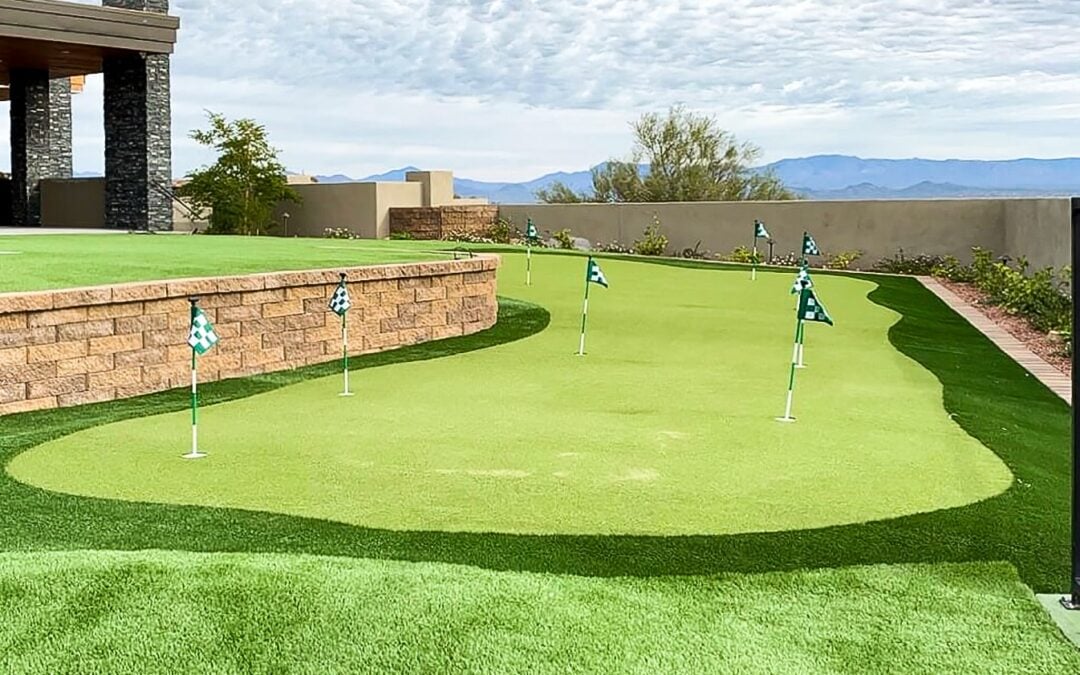
Artificial Grass Manufacturing Process:
The production of artificial grass leverages tufting techniques akin to those used in carpet manufacturing. For those intrigued by the intricacies, here's a glimpse into the process:
1. All ingredients for the grass blades are introduced into a hopper.
The evolution of artificial grass manufacturing has ushered in an era of chemicallytreated, highquality materials that offer UV resistance, water resistance, enhanced softness, reduced abrasiveness, and striking similarity to natural grass. This makes modern artificial turf suitable for a wide range of applications, from expansive fields to intimate residential landscapes.
At GP Turf, we take pride in offering topoftheline artificial grass solutions that not only replicate the allure of real grass but also deliver superior performance and durability. Whether you're considering a home improvement project or need a synthetic turf solution for a specific application, GP Turf has you covered.